Upcoming EV Launches in India 2027: Budget-Wise Guide for Buyers
If you’re planning to buy an electric car in 2027, you’re going to have more real choice than any Indian EV buyer before you. That’s the short version.
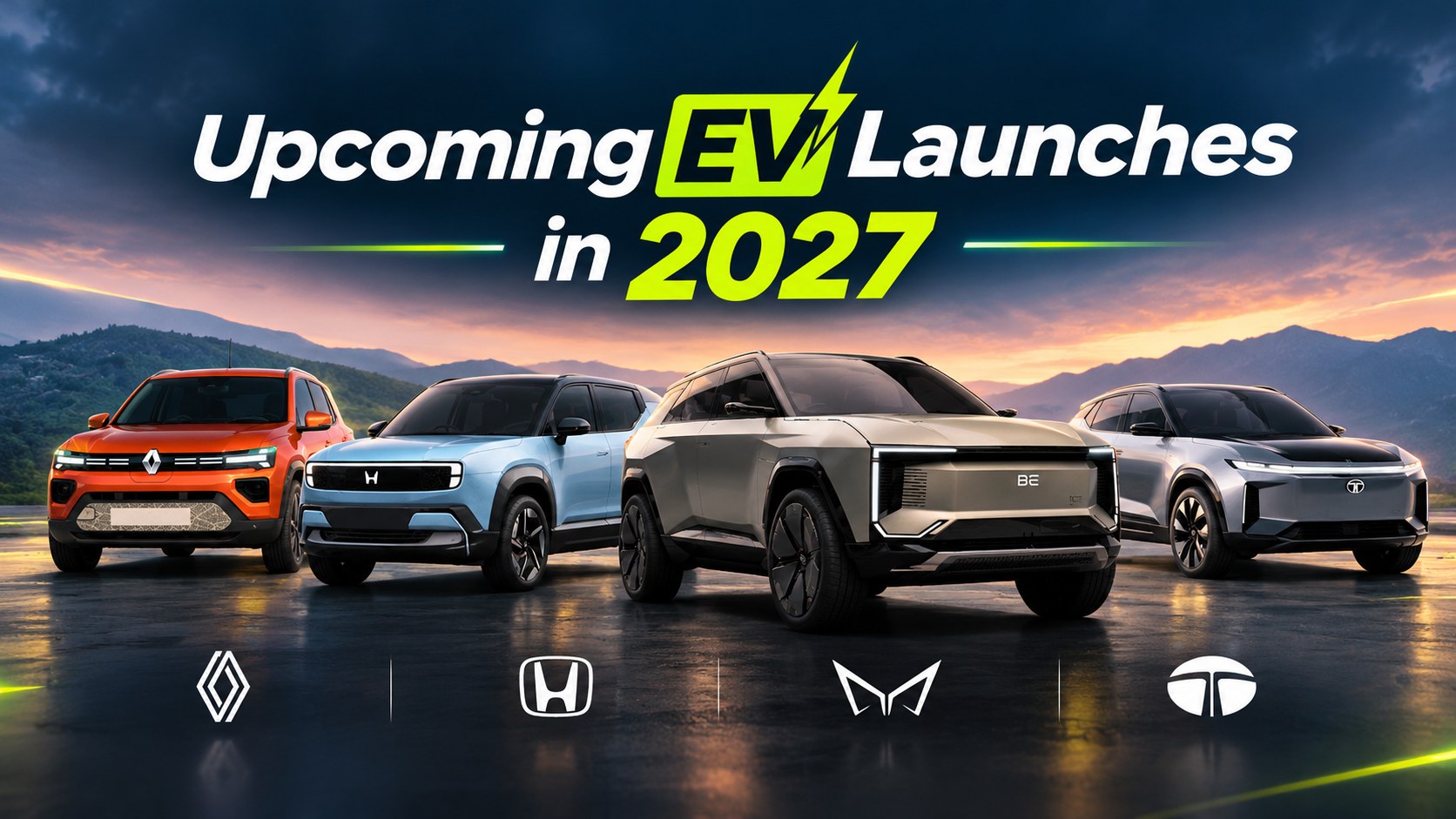
For most of the last five years, buying an EV in India meant picking a Tata, maybe an MG, and making peace with a few compromises. That era is ending. In 2027, Maruti, Hyundai, Honda, Renault and Mahindra all have meaningful new EVs lined up, and the ones that matter most aren’t luxury showpieces. They’re family MPVs, compact SUVs and small hatchbacks, the cars ordinary Indian households actually buy.
I’ve been tracking these launches closely for Auto EV Drive, and here’s my honest take: 2027 isn’t just “more EVs”. It’s the year the market stops being a Tata-versus-everyone story and starts looking like the petrol car market, with a proper option at every budget. That changes how you should plan your purchase.
Quick note on prices: Unless stated otherwise, all prices are expected ex-showroom figures. Nothing below is final until the brand announces it, and launch timelines in India slip more often than they don’t.
In this guide:
- 4 shifts that make 2027 different
- Upcoming EVs under ₹10 lakh
- Upcoming EVs from ₹10–20 lakh
- Upcoming EVs from ₹20–40 lakh
- Upcoming premium EVs above ₹40 lakh
- Should you buy now or wait?
- 8 checks before booking any 2027 EV
- FAQs
4 Shifts That Make 2027 Different
Before we get to the cars, it helps to understand the bigger pattern. These four shifts will affect your purchase more than any single model.
1. The big mass-market brands are finally serious. Maruti’s e Vitara is already on sale, and its second EV is due to be shown at the 2027 Bharat Mobility Expo. Hyundai has officially confirmed a compact EV designed and built in India. When Maruti and Hyundai compete hard in a segment, prices fall and service networks follow. That’s good news for you even if you never buy either brand.
2. “Made in India” batteries mean sharper pricing. Hyundai’s upcoming compact EV will use locally sourced Exide batteries. The battery is the single most expensive part of an EV, so localisation is the quiet reason 2027 prices should be more competitive than 2025 prices for similar range.
3. Battery-as-a-Service (BaaS) is now normal. Tata, MG and Maruti all offer ways to buy the car and rent the battery. It pulls the upfront price of many EVs down by a few lakh. I expect most 2027 launches to offer some form of it. Just remember: a lower sticker price plus a per-km battery fee is not automatically cheaper over five years.
4. Families finally get proper electric 7-seaters. Until now, a family needing three rows had very few EV options. In 2027, that gap closes from the affordable end (an electric MPV from Maruti) to the premium end (Tata’s Safari EV).
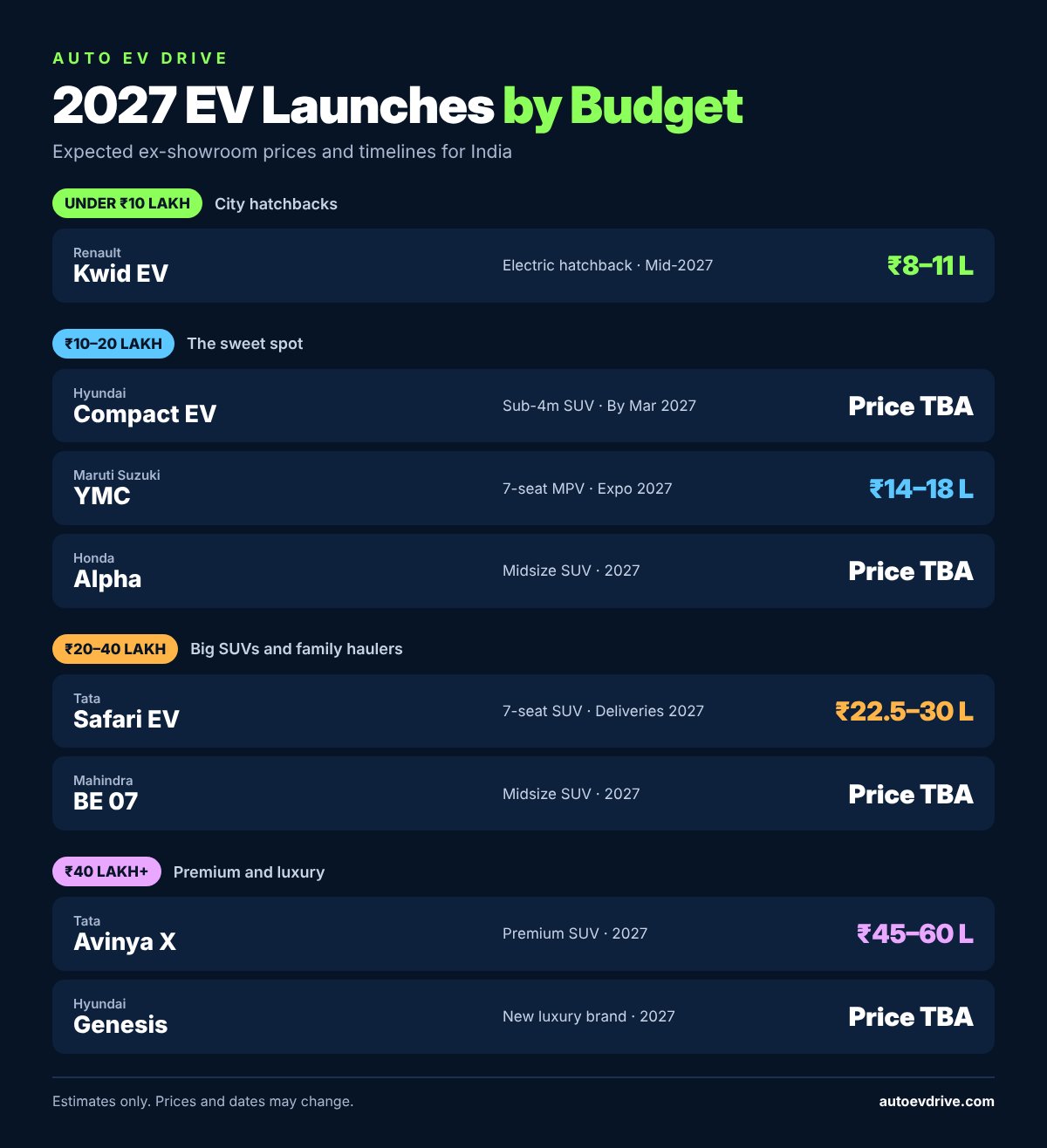
Budget Segment 1: Upcoming EVs Under ₹10 Lakh
This is the segment most Indian buyers care about, and honestly, it’s the thinnest for 2027. The truly affordable EV is still hard to build profitably. If you need a car in this budget today, start with our list of the best EV cars under 10 lakh in India.
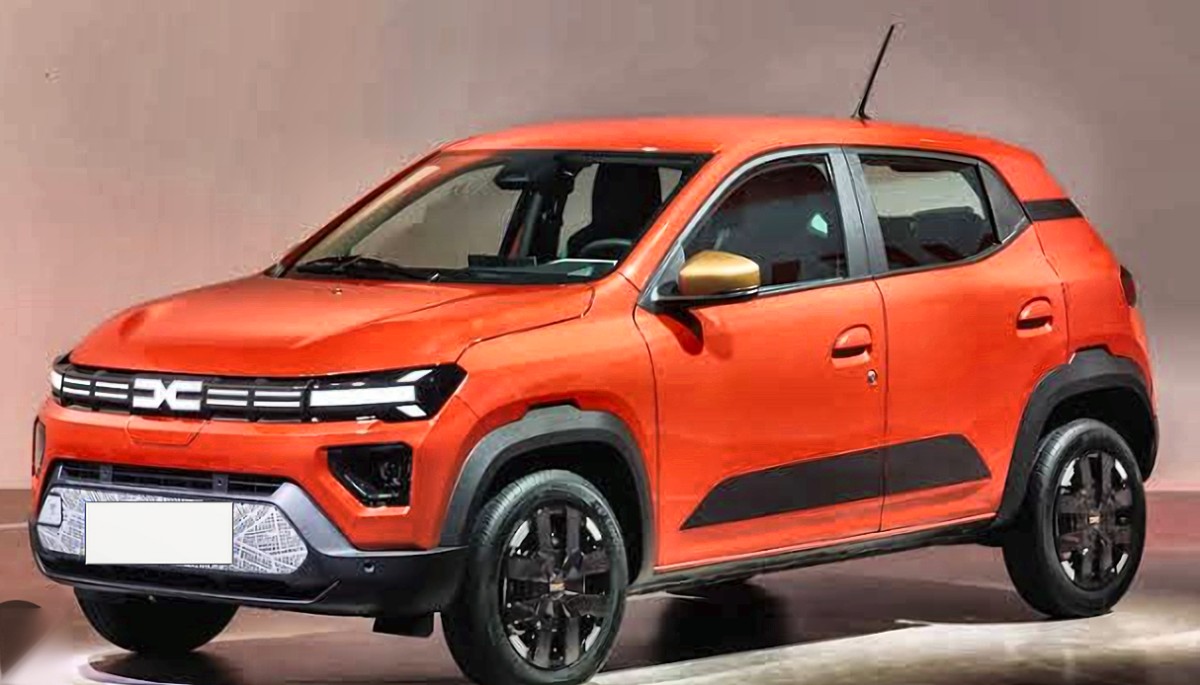
Renault Kwid EV
| Detail | What we know |
|---|---|
| Type | Small electric hatchback |
| Expected launch | Around mid-2027 (tentative) |
| Expected price | ₹8–11 lakh |
| Main rivals | Tata Tiago EV, MG Comet EV |
The Kwid EV has been promised for years, so I’d treat the timeline with caution. The idea is sound, though. Renault already builds the Kwid in India, and a version of this car sells abroad. If Renault prices it closer to ₹8 lakh than ₹11 lakh, it could be the cheapest way into a new four-seat EV with a proper warranty.
My take: Ideal as a second car or city runabout. If your daily drive is under 60 km and you have home charging, keep this one on your radar. If you need highway range, look elsewhere.
What about BaaS pricing?
This is where the sub-₹10 lakh segment quietly gets bigger. Several cars that list above ₹10 lakh drop below it under a battery subscription plan. Maruti’s e Vitara, for example, starts at ₹10.99 lakh under BaaS. Expect at least one or two 2027 launches in the next segment to cross under ₹10 lakh this way. We’ve explained how this works in our guide to the best electric cars under 5 lakh.
Worth knowing: Maruti is reportedly developing an EV below ₹10 lakh, but current reports point to 2028, not 2027. If you can wait that long, it may be worth it. If not, don’t hold your purchase for it.
Budget Segment 2: Upcoming EVs from ₹10–20 Lakh (The Sweet Spot)
If I had to bet on where the 2027 EV fight happens, it’s here. This is Nexon EV, Punch EV and Windsor territory, and three big brands are walking in.
| Model | Type | Expected timing | Expected price | Why it matters |
|---|---|---|---|---|
| Hyundai compact EV (HE1i) | Sub-4m electric SUV | Debut by March 2027 | Not announced | Hyundai’s first truly mass-market EV, made in Tamil Nadu |
| Maruti YMC | 3-row electric MPV | Reveal expected at Bharat Mobility Expo 2027 | ₹14–18 lakh (est.) | Could be India’s most affordable 3-row EV |
| Toyota version of YMC | 3-row electric MPV | After the Maruti | Not announced | Same car, Toyota badge and service |
| Honda Alpha | Midsize electric SUV | Global debut Dec 2, 2026; sales likely 2027 | Not announced | Honda’s first made-in-India EV |
Hyundai’s compact EV
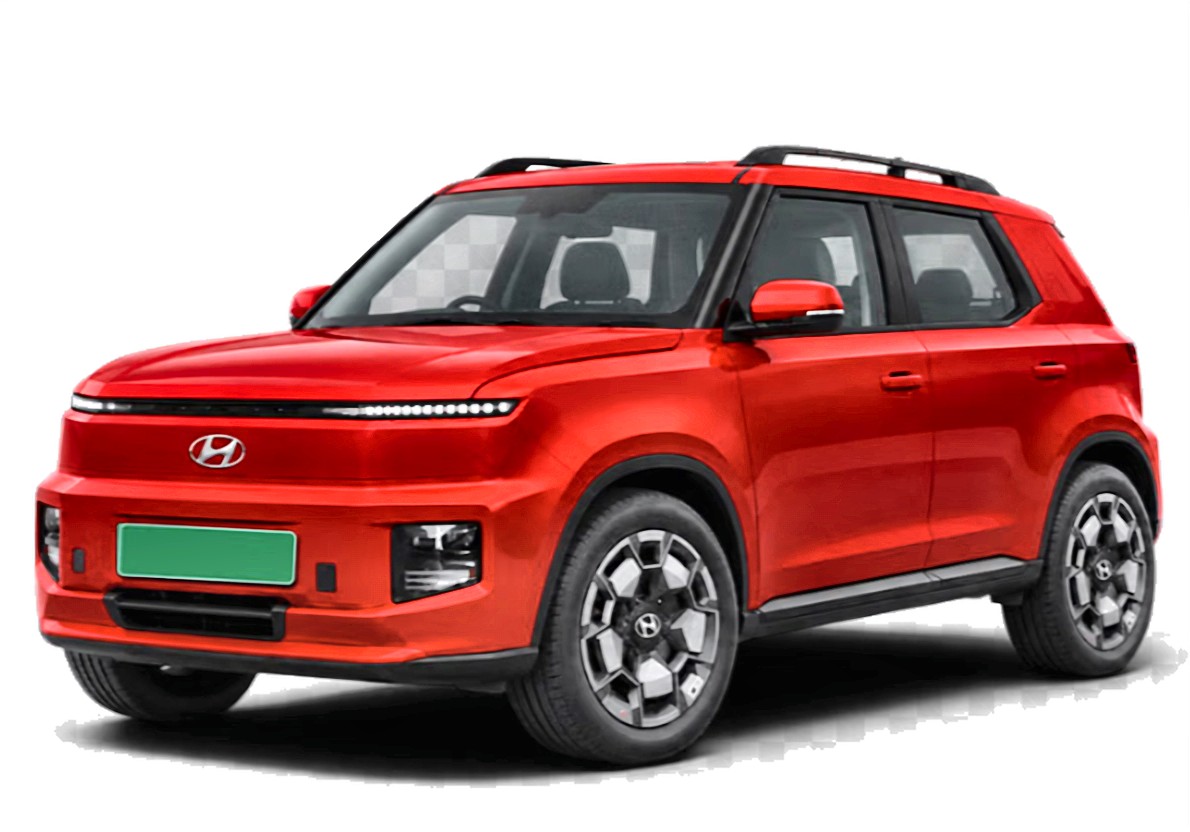
This is the one I’m most curious about. Hyundai has confirmed it will come in standard-range and long-range versions, with Level 2 ADAS and a new infotainment system. It’s built on the same base as the Inster sold in Europe, which offers 42 kWh and 49 kWh battery options there. Indian specs aren’t out yet.
My take: If it lands near Nexon EV pricing with Hyundai’s service network behind it, it’ll pressure every rival in this bracket. Wait for it if you’re shopping for a compact EV in early 2027.
Maruti YMC electric MPV
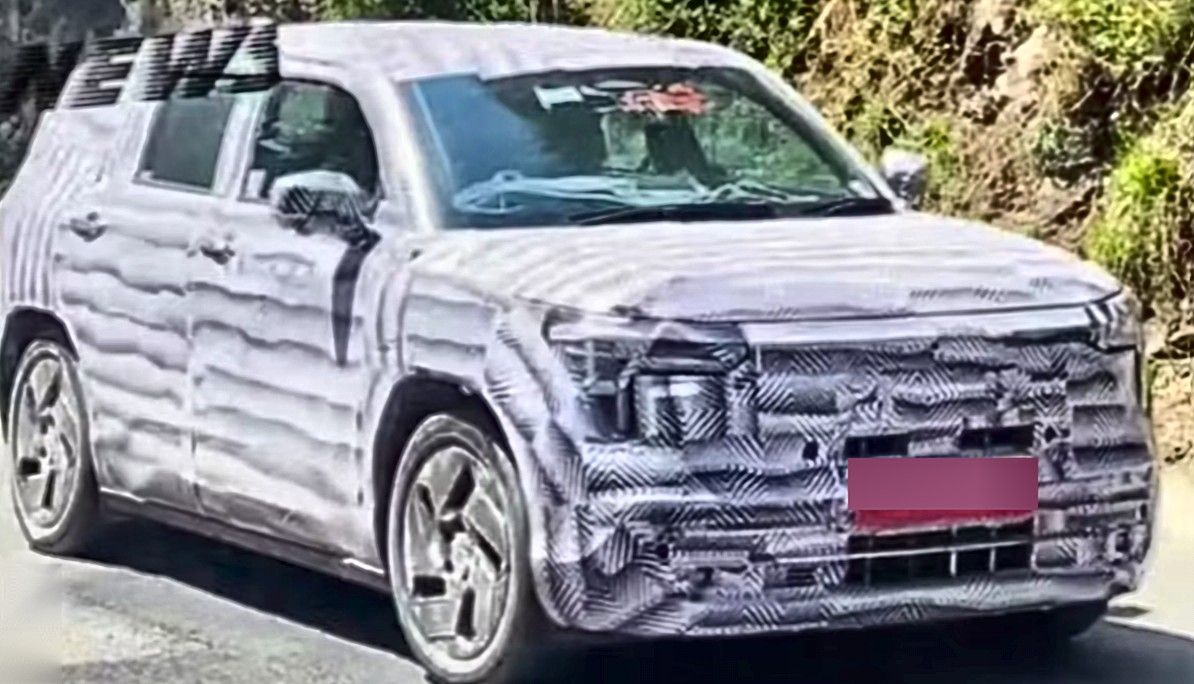
Maruti hasn’t officially named which car it will show at the Expo. The strongest bet, based on test cars spotted across India, is a three-row electric MPV linked to the Ertiga. If Maruti prices it below the Kia Carens Clavis EV, it changes the game for large families who’ve been stuck with petrol or CNG.
My take: For a family of six or seven on a ₹15–18 lakh budget, this is the most important EV of 2027.
Honda Alpha
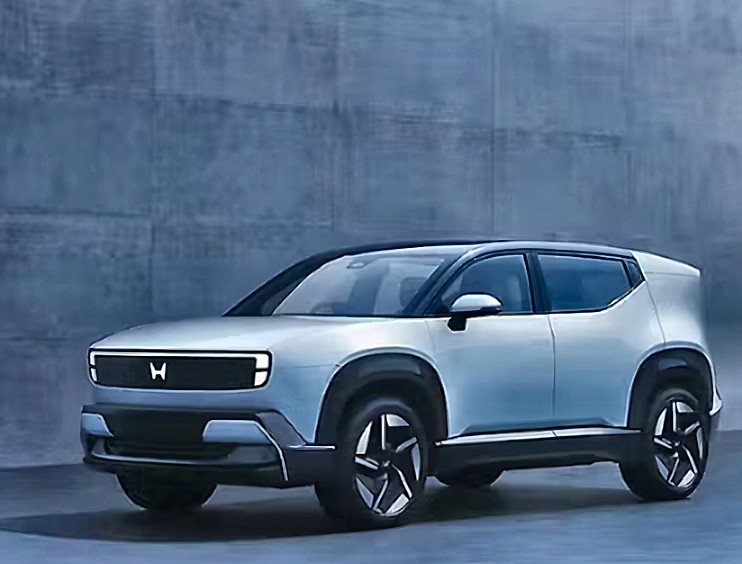
Honda will build this SUV at its Rajasthan plant, and India gets it first. Pricing and battery details aren’t confirmed. Honda’s strength has always been reliability and resale, which matters a lot to first-time EV buyers worried about the long run.
Budget Segment 3: Upcoming EVs from ₹20–40 Lakh (Big SUVs and Family Haulers)
This is where Indian brands have pulled ahead of everyone, and 2027 sees them push further upmarket.
| Model | Type | Expected timing | Expected price | Battery (expected) |
|---|---|---|---|---|
| Tata Safari EV | 3-row electric SUV | Late 2026 launch, 2027 deliveries | ₹22.5–30 lakh | 65 kWh / 75 kWh |
| Mahindra BE 07 | 5-seat midsize electric SUV | 2027 | Not announced | 60–80 kWh |
Tata Safari EV
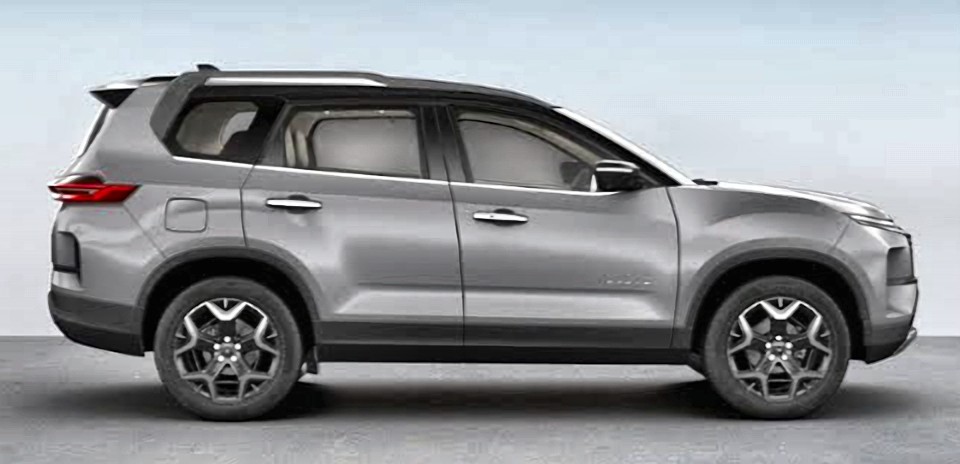
The Safari EV was planned for the 2026 festive season, so most buyers will realistically be taking delivery in 2027. It’s expected to share its batteries and motors with the Harrier EV, including an all-wheel-drive option on some variants. That’s reassuring: the Harrier EV’s hardware is already proven on Indian roads. See where it fits in our Tata electric cars lineup.
My take: If you need seven seats and want an Indian brand with a wide service network, this is the obvious shortlist pick. If you only need five seats, the Harrier EV gives you the same tech today, often with discounts.
Mahindra BE 07
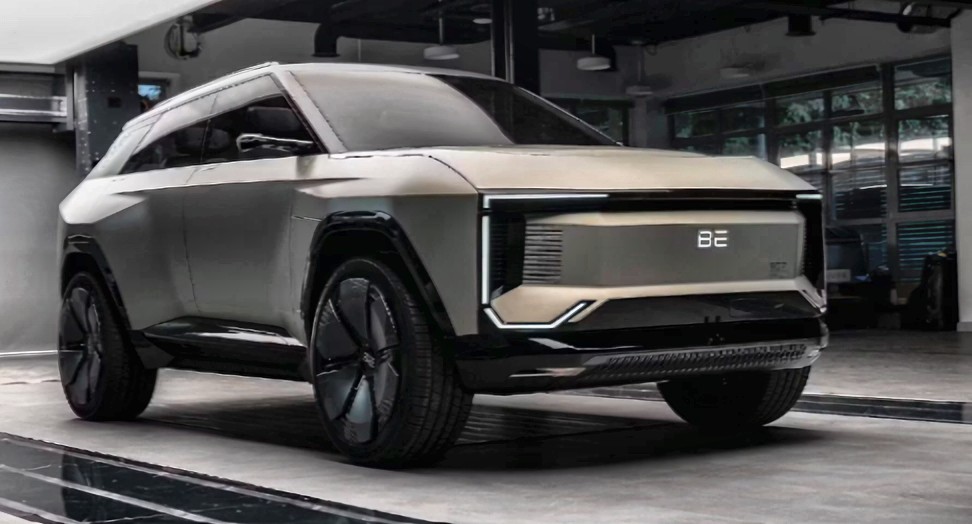
Mahindra has confirmed its fourth born-electric SUV for 2027. It’ll sit above the BE 6, and the concept suggests a more traditional, less radical SUV shape, about 4.6 metres long. It should use the same INGLO platform as Mahindra’s current electric cars.
My take: This is for buyers who like Mahindra’s EV tech but found the BE 6 and XEV 9e designs too futuristic. If Mahindra adds more physical buttons (owners have asked for this), it could be the most practical premium EV of the year.
Budget Segment 4: Upcoming EVs Above ₹40 Lakh (Premium and Luxury)
The luxury EV space gets two genuinely new players in 2027, and both come from brands you already know.
| Model / Brand | Expected timing | Expected price | What’s different |
|---|---|---|---|
| Tata Avinya X | 2027 | ₹45–60 lakh (est.) | Tata’s new premium EV brand, on a platform from the Chery-JLR ecosystem |
| Genesis | 2027 | Not announced | Hyundai’s luxury brand, with locally assembled cars |
Tata Avinya X
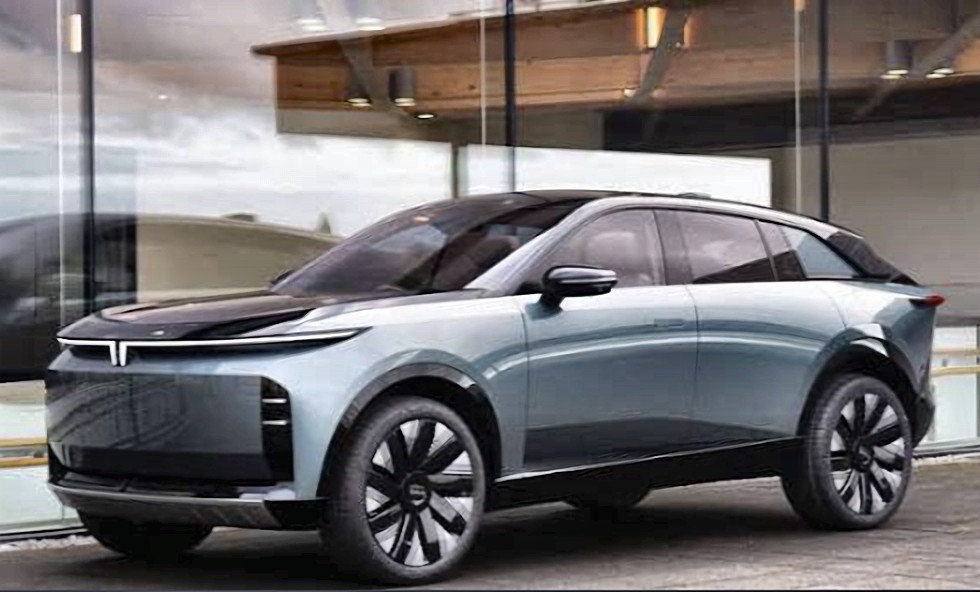
Avinya was first shown as a concept in 2022, and it’s taken a long road to production. The first model is now expected in 2027, using a platform developed for JLR’s revived Freelander line rather than JLR’s own original EV base. Avinya is meant to sit as a separate premium label above Tata’s current EVs.
My take: The real test isn’t specs. It’s whether Avinya feels clearly different from a well-loaded Tata. If you’re spending ₹50 lakh, wait for proper reviews of build quality and software before booking.
Genesis
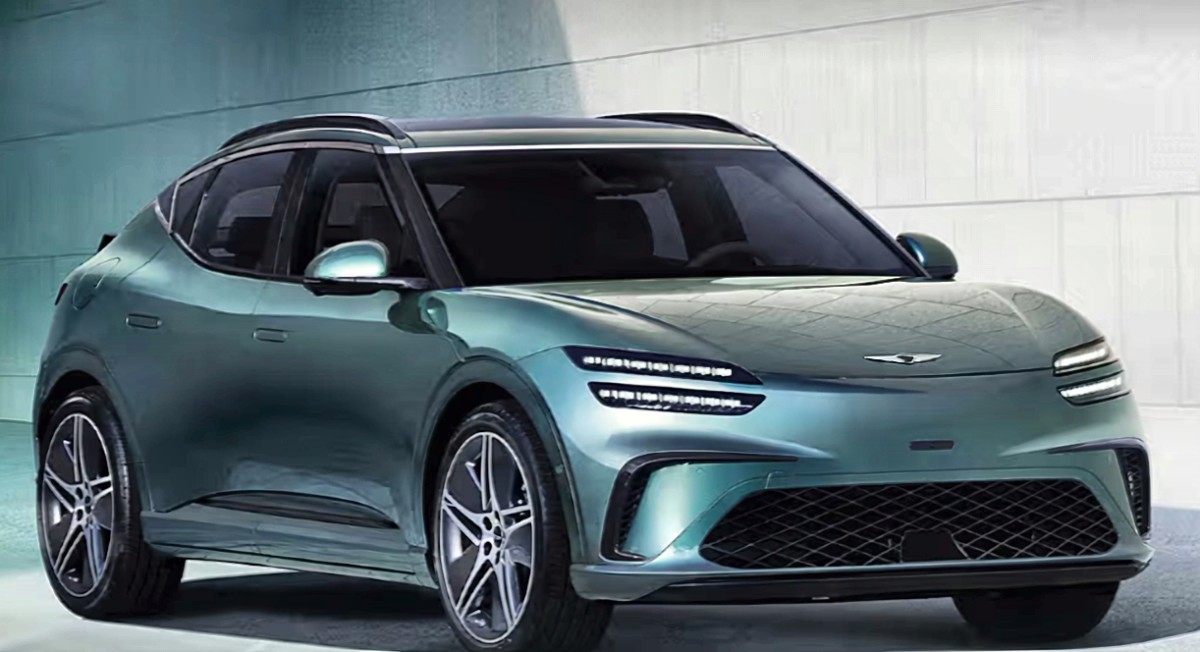
Hyundai has confirmed Genesis will launch in India in 2027, with locally assembled cars to keep pricing sharp. The exact first models haven’t been announced, but Genesis sells several EVs globally.
My take: A new luxury brand means aggressive launch pricing and offers. But it also means an untested dealer and service network. Early buyers get the best deals and the most risk.
Also worth watching: Mercedes, BMW and others keep refreshing their EV line-ups. If you’re in this bracket, compare a new entrant against a discounted, proven German EV before deciding.
Should You Buy an EV Now or Wait for 2027?
This is the question I get asked most. Here’s the honest answer: waiting is only worth it if a specific upcoming car solves a specific problem you have today.
| Your situation | My suggestion |
|---|---|
| Your current car is dying and you need one within 3 months | Buy now. Today’s EVs are good, and year-end discounts are real. |
| You want a compact EV and like Hyundai | Wait until the Hyundai compact EV’s price is out (by March 2027). |
| You need an affordable 7-seater EV | Wait for the Maruti YMC reveal at the 2027 Expo. |
| You need a premium 7-seater now | Look at the Safari EV or Mahindra XEV 9S rather than waiting further. |
| Your budget is under ₹8 lakh | A new EV is still a stretch. Consider a used EV or wait into late 2027. |
| You’re buying ₹45 lakh+ | Wait for reviews of Avinya and Genesis, then negotiate hard either way. |
One more thing: New launches often push older models into discounts. Even if you don’t buy a 2027 launch, its arrival may get you a better deal on a car that’s already on sale.
8 Things to Check Before Booking Any 2027 EV
New launches come with launch hype. These are the checks that actually protect your money. For the full process, read our complete EV buying guide for India.
- Real-world range, not the claimed number. As a rule of thumb, expect about 70–80% of the claimed figure in Indian summer traffic with the AC on.
- Battery chemistry and warranty. LFP batteries generally handle Indian heat better. Check the warranty in both years and kilometres, and whether it transfers to the next owner.
- BaaS maths. If a car offers battery rental, multiply the per-km fee by your yearly driving. Compare that against the EMI difference of buying outright.
- DC fast-charging speed. A bigger battery with slow charging can be worse on highways than a smaller one that charges quickly.
- Home charging. Confirm your society or building allows a wall charger before you book. This trips up more buyers than anything else. Our EV charging guide covers the setup.
- Service network in your city. A great EV with the nearest service centre 80 km away is a bad EV for you.
- Software and updates. Ask whether the car gets over-the-air updates. Buggy screens are the most common complaint from early EV owners.
- First-batch risk. The first few months of any new model often bring small glitches. If you’re cautious, booking 3–6 months after launch is a sensible middle path.
FAQs: Upcoming EV Launches in India 2027
Which EVs are launching in India in 2027?
The key 2027 launches include the Hyundai compact EV, Maruti’s YMC electric MPV, the Honda Alpha, Mahindra BE 07, Renault Kwid EV, Tata Avinya X and the Genesis brand. Tata’s Safari EV deliveries will also largely happen in 2027.
What is the cheapest upcoming EV in India in 2027?
The Renault Kwid EV is expected to be the most affordable, with estimates of ₹8–11 lakh. Timelines for this car have slipped before, so treat its launch date as tentative.
Is there an affordable 7-seater EV coming in 2027?
Yes. Maruti’s YMC electric MPV is expected to be revealed at the 2027 Bharat Mobility Expo, with estimated pricing of ₹14–18 lakh. A Toyota version is also expected.
Should I wait for 2027 EVs or buy now?
Wait only if a specific upcoming model fits your needs better than what’s on sale. If you need a car soon, today’s EVs are mature and often discounted.
Will EV prices fall in 2027?
Prices for similar range should become more competitive as batteries get localised and more brands compete. Don’t expect dramatic overnight cuts, though. Check our EV subsidy guide for incentives that lower the cost today.
Is Battery-as-a-Service a good idea?
It lowers your upfront cost, but you pay per kilometre. It suits lower-mileage drivers. High-mileage drivers usually save more by buying the battery outright.
The Bottom Line
2027 is the year Indian EV buyers stop settling. If you’re in the ₹10–20 lakh bracket, the arrival of Hyundai, Maruti and Honda means more choice, sharper prices and better service reach than ever before. If you need seven seats, you’ll finally have real electric options at two very different price points.
My advice is simple. Decide what problem you’re solving: range, seats, budget or brand trust. Then pick the 2027 launch that solves it, or buy a proven EV today if none does. We’ll update this guide as prices and dates are confirmed, so bookmark it.