EV Subsidy in India 2026: FAME, State Schemes & How to Claim
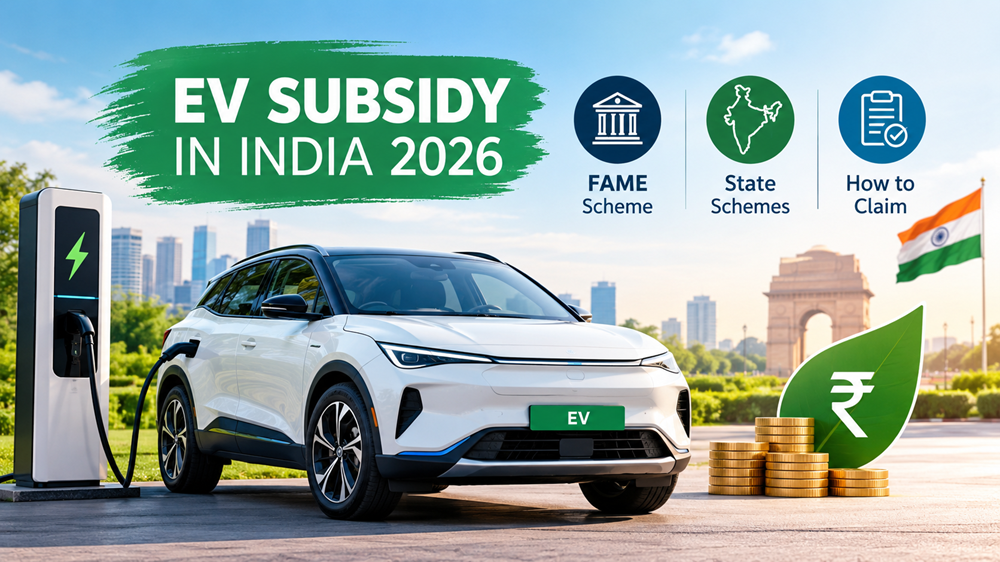
EV Subsidy in India 2026 is an important consideration for buyers planning to purchase an electric car, electric scooter or other eligible electric vehicle. Central government incentives under PM E-DRIVE and state-level EV policies can reduce the upfront cost of eligible EVs through purchase incentives, road-tax exemptions or registration-fee benefits.
However, the available benefits depend on the vehicle category, state, purchase date and applicable government policy. Buyers should therefore check the latest eligibility requirements before including any subsidy in their EV budget.
The current central EV incentive framework is PM E-DRIVE, while individual states may offer additional incentives under their own EV policies. FAME-II was the previous central scheme and should not be used as the basis for calculating a new 2026 EV purchase.
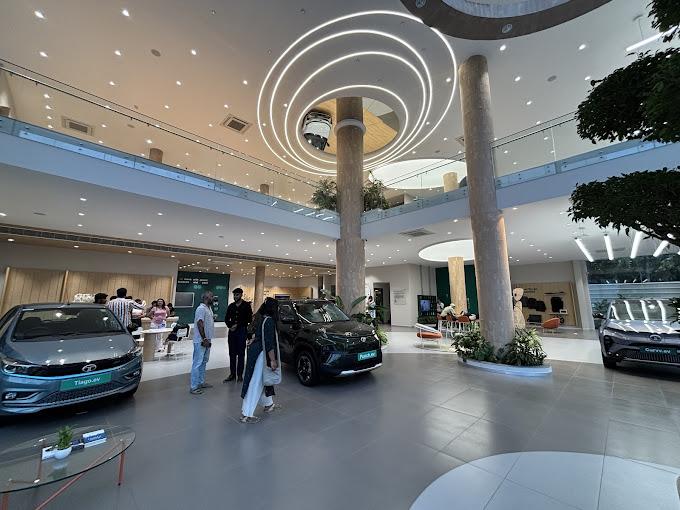
Before comparing subsidy amounts, buyers should also compare range, charging requirements, running costs and overall value across the best electric cars in India.
What Is the EV Subsidy in India in 2026?
The EV subsidy in India in 2026 comes primarily from two sources:
- Central government incentives under PM E-DRIVE
- State-level EV policies
PM E-DRIVE was launched with a ₹10,900 crore outlay and has subsequently been amended and extended for certain vehicle categories.
For the latest eligibility requirements, vehicle categories and scheme notifications, buyers should check the official PM E-DRIVE portal before making a purchase.
The scheme covers specific categories rather than every electric vehicle sold in India.
Eligible categories include:
- Electric two-wheelers
- Electric three-wheelers
- Electric ambulances
- Electric trucks
- Electric buses
- Public EV charging infrastructure
- Testing-agency upgrades
The exact incentive depends on the vehicle category and the applicable scheme conditions.
Is FAME Subsidy Still Available in India in 2026?
What Was FAME-II?
FAME-II, or Faster Adoption and Manufacturing of Hybrid and Electric Vehicles Phase II, was the previous major central EV incentive programme.
It supported EV adoption through demand incentives and also contributed to the development of electric-mobility infrastructure.
However, buyers researching an EV purchase in 2026 should not use old FAME-II subsidy figures to calculate their current purchase price.
PM E-DRIVE is the current central framework for applicable EV demand incentives. The Ministry of Heavy Industries has published multiple amendments to the scheme.
Buyers can check the latest PM E-DRIVE scheme notifications before calculating their expected subsidy.
FAME-II vs PM E-DRIVE
| Feature | FAME-II | PM E-DRIVE in 2026 |
|---|---|---|
| Status | Previous central scheme | Current central EV incentive framework |
| Electric 2-wheelers | Previously supported | Supported subject to current eligibility |
| Electric 3-wheelers | Previously supported | Specific categories supported |
| Private electric cars | Previous FAME framework | No general PM E-DRIVE purchase subsidy |
| E-voucher | No | Used for eligible PM E-DRIVE demand incentives |
| State incentives | Separate | Separate |
PM E-DRIVE Subsidy for Electric Vehicles in 2026
PM E-DRIVE provides different incentives depending on the vehicle category.
For electric two-wheelers, the applicable incentive depends on the relevant scheme period, battery capacity, vehicle eligibility and other conditions.
The government extended the terminal date for the e-2W segment to 31 March 2028 through an August 2026 amendment. Buyers should therefore check the current official notification for the applicable incentive at the time of purchase.
PM E-DRIVE also provides support for categories including:
- Electric ambulances
- Electric trucks
- Electric buses
- Public charging infrastructure
- EV testing and technology upgrades
Because the scheme has been amended over time, buyers should use the official PM E-DRIVE portal for the latest information.
Are Electric Cars Eligible for PM E-DRIVE Subsidy?
This is one of the most important questions for private EV buyers.
PM E-DRIVE does not provide a general purchase subsidy for private electric passenger cars.
The central demand incentives focus on specified vehicle categories, including eligible electric two-wheelers and three-wheelers, along with other categories such as e-ambulances and e-trucks.
Therefore, someone purchasing an electric car should not automatically deduct a PM E-DRIVE subsidy from the ex-showroom price.
Instead, buyers should check whether their state provides a separate EV incentive.
This also makes it important to compare the specifications, prices and ownership considerations across different electric car brands and models in India before making a purchase.
State EV Subsidies in India 2026
State governments have their own EV policies, and these can be particularly important for electric-car buyers.
The Bureau of Energy Efficiency maintains information on notified state EV policies and provides a useful starting point for checking state-specific EV incentives.
Buyers can review the BEE state EV policy information to identify the relevant state framework.
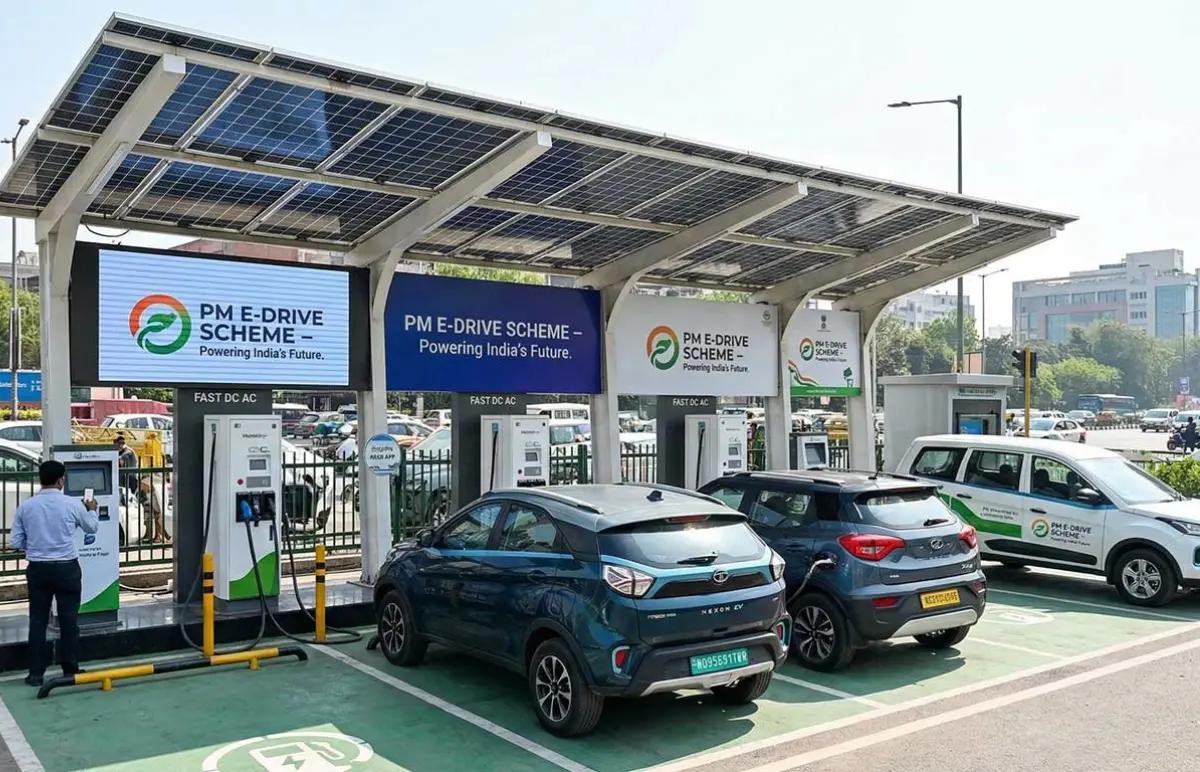
State incentives can include:
- Purchase subsidies
- Road-tax exemptions
- Registration-fee exemptions
- Scrappage incentives
- Charging-infrastructure support
- Commercial EV incentives
- Manufacturing incentives
The exact benefit depends on the state, vehicle category, purchase date, registration location and applicable policy conditions.
Uttar Pradesh EV Subsidy
Uttar Pradesh has an EV policy that provides incentives for eligible electric vehicles.
The Uttar Pradesh Electric Vehicle Manufacturing & Mobility Policy 2022 includes purchase incentives for different EV categories.
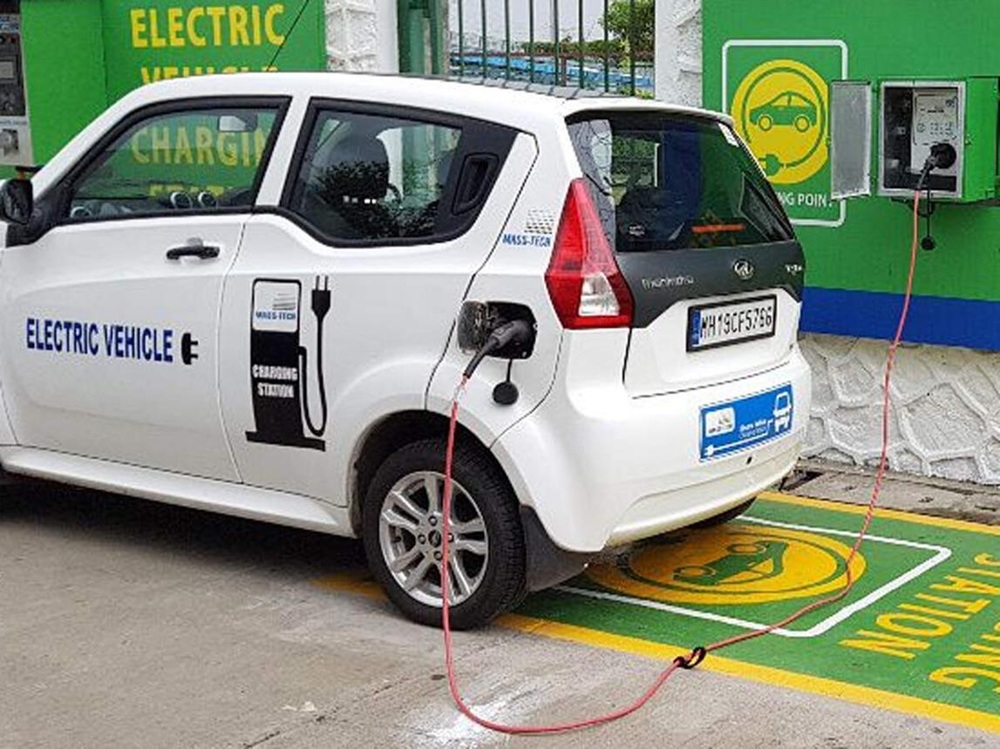
The policy information published by Invest UP lists benefits including:
- Electric two-wheelers
- Electric three-wheelers
- Electric four-wheelers
- Electric buses
- E-goods carriers
The policy also provides provisions relating to registration fees and road tax for eligible EVs during the specified policy period.
Buyers in Uttar Pradesh should check the latest government notification and eligibility conditions before including a subsidy in their purchase calculation.
The official state information is available through Invest UP’s EV policy information.
Delhi EV Subsidy
Delhi has its own EV policy framework covering several vehicle categories.
The Delhi EV policy has included incentives for electric two-wheelers based on battery capacity, along with other benefits for categories such as e-cycles, e-rickshaws, e-carts and light commercial electric vehicles.
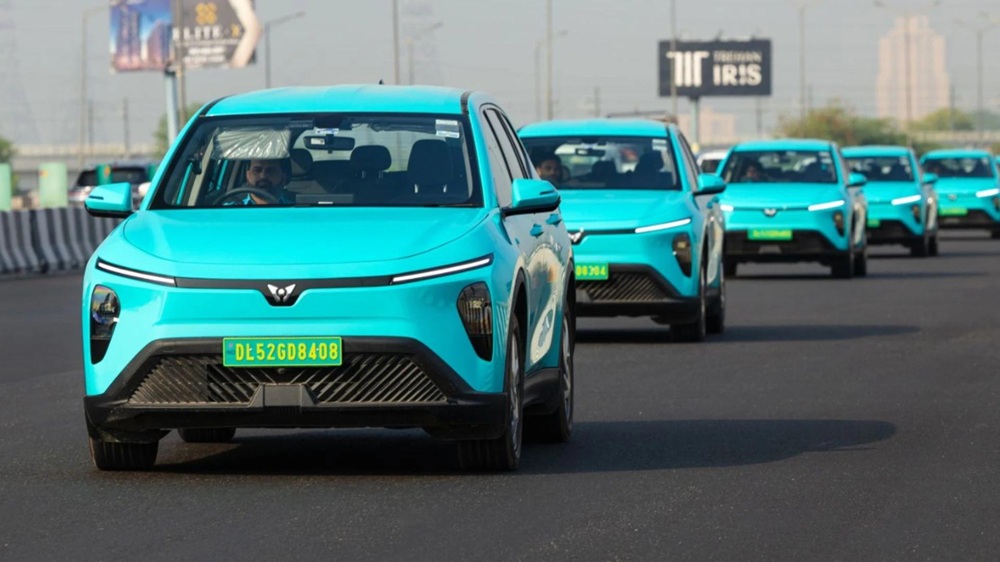
However, buyers should distinguish between the original Delhi EV policy incentives and benefits currently available under later notifications or amendments.
The Delhi EV portal provides information on EV policy implementation, eligible vehicles and related requirements.
The Bureau of Energy Efficiency also maintains information on state EV policies.
Maharashtra EV Policy
Maharashtra has a separate EV policy framework covering electric vehicles, charging infrastructure and related incentives.
The Maharashtra Motor Vehicle Department publishes EV policy documents and related guidelines.
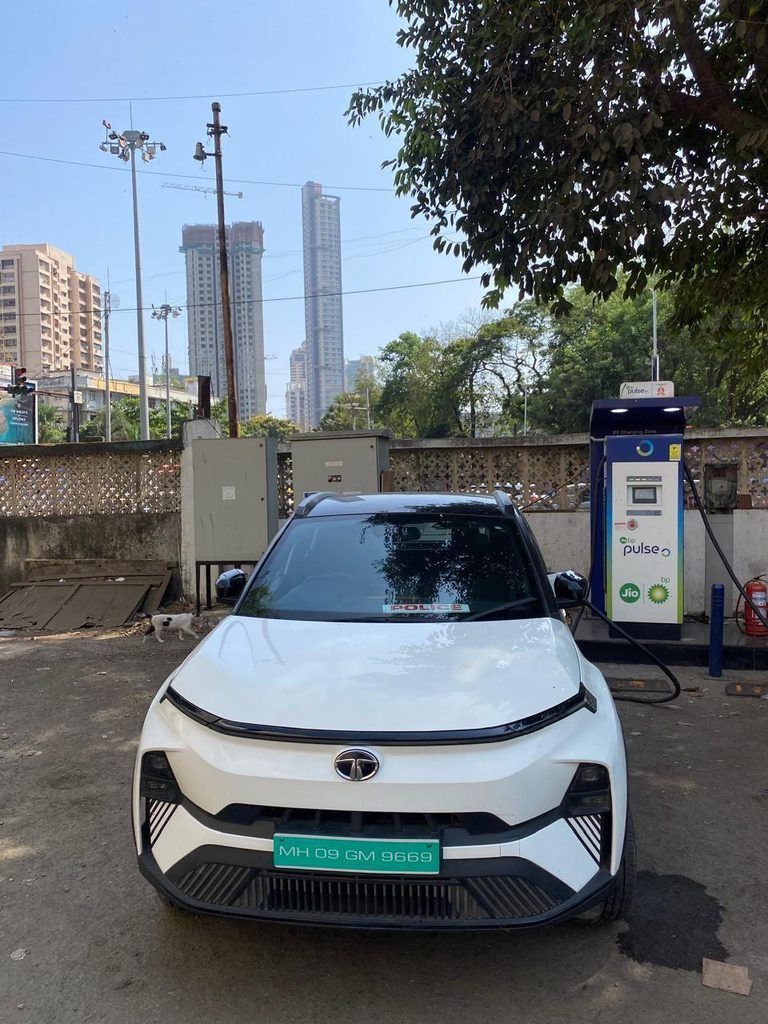
Buyers should check the latest notification for applicable purchase incentives, road-tax benefits and registration requirements rather than relying on older subsidy figures.
State policies can change independently of the central PM E-DRIVE scheme.
How to Claim EV Subsidy in India
The process depends on whether the benefit comes from PM E-DRIVE or a state government.
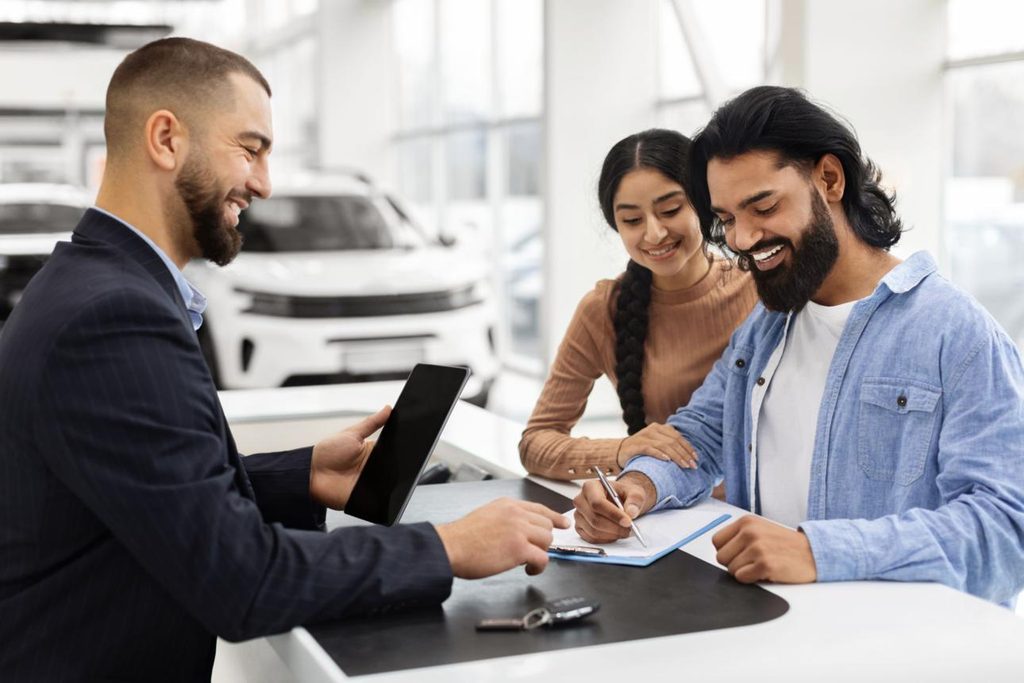
Step 1: Check Vehicle Eligibility
Before booking an EV, confirm:
- Vehicle category
- Approved model and variant
- Battery eligibility
- Ex-factory price requirements
- Manufacturing requirements
- Registration requirements
- Scheme validity
- State-specific conditions
- Any vehicle or budget limits
The official PM E-DRIVE portal provides information on eligible categories and current scheme notifications.
Step 2: Ask the Dealer About the Applicable Central Incentive
For eligible PM E-DRIVE vehicles, the incentive is generally provided through the purchase process rather than requiring the buyer to wait for a conventional reimbursement.
The applicable incentive is reflected as an upfront reduction in the purchase price for eligible vehicles, subject to the scheme’s rules.
Buyers should ask the dealer to clearly explain the incentive shown on the quotation and final invoice.
Step 3: Complete Aadhaar Authentication
PM E-DRIVE uses an electronic voucher system.
The official PM E-DRIVE process uses Aadhaar-based e-KYC and authentication for eligible individual buyers.
Make sure the mobile number required for authentication is accessible during the purchase process.
Step 4: Complete the E-Voucher Process
For an eligible vehicle, the PM E-DRIVE process includes:
- Aadhaar-based authentication
- E-voucher generation
- Downloading the voucher
- Signing the voucher
- Providing it to the dealer
- Dealer verification
- Uploading the required documentation
The exact operational process can change, so buyers should follow the latest instructions provided through the PM E-DRIVE official portal.
Step 5: Check the Final Invoice
Before completing the purchase, carefully check the final invoice.
Look for:
- Applicable central incentive
- State subsidy, where applicable
- Road-tax exemption
- Registration-fee exemption
- Other applicable benefits
Keep copies of the invoice and subsidy-related documents.
Can You Claim Both Central and State EV Subsidies?
A central incentive and a state incentive are separate programmes, but the ability to combine them depends on the rules of the relevant schemes.
Some state policies provide incentives in addition to central government support, while others may have their own restrictions or conditions.
Therefore, buyers should verify both schemes before assuming that all advertised benefits can be combined.
What Documents Are Usually Needed?
Depending on the scheme, buyers may need:
- Aadhaar card
- Aadhaar-linked mobile number
- PAN card
- Vehicle invoice
- Registration certificate
- Proof of address
- Bank details
- Dealer documentation
- Scrappage certificate, where applicable
- State subsidy application
- PM E-DRIVE e-voucher
The exact requirements vary between central and state schemes.
Documentation is only one part of the ownership calculation. Buyers should also consider expected servicing, battery warranty and long-term electric car maintenance costs before finalising a purchase.
Important Things to Check Before Buying an EV
Ex-Showroom Price
First compare the standard ex-showroom price with the price after applicable incentives.
Do not assume that an advertised subsidy applies to every variant.
Road Tax and Registration
State-level exemptions can have a meaningful effect on the final on-road price.
Check whether your state currently provides an exemption and whether your specific vehicle qualifies.
Insurance
EV insurance premiums can differ from comparable petrol or diesel vehicles, so compare insurance quotes before finalising the purchase.
Charging Costs
Charging is an important part of EV ownership.
Buyers should understand the difference between home charging and public charging and estimate electricity costs based on their daily driving pattern.
Our guide to EV charging in India covers charging options, costs and practical considerations for EV owners.
Battery Warranty
Check:
- Warranty duration
- Kilometre limit
- Battery capacity-retention conditions
- Warranty exclusions
- Replacement terms
For a practical example of how price, range, specifications and ownership factors come together, see our Tata Nexon EV 2026 review.
Service Costs
Compare scheduled maintenance requirements and warranty coverage with comparable petrol and hybrid vehicles.
Resale Value
The used-EV market continues to develop, so buyers should avoid assuming a particular future resale value.
Common EV Subsidy Mistakes to Avoid
Mistake 1: Using Old FAME-II Figures
Older articles may quote FAME-II subsidy amounts that do not apply to a 2026 purchase.
Mistake 2: Assuming Every EV Gets a Central Subsidy
PM E-DRIVE does not provide a blanket purchase incentive for every electric vehicle.
Mistake 3: Ignoring State Benefits
A buyer may focus entirely on the central scheme and overlook state-level road-tax or registration benefits.
Mistake 4: Assuming the Maximum Subsidy Is Guaranteed
Vehicle limits, battery requirements, price caps, registration conditions and policy periods can affect eligibility.
Mistake 5: Not Checking the Final Invoice
Always verify whether the applicable incentive or exemption has actually been reflected in the purchase documentation.
EV Subsidy in India 2026: Quick Comparison
| Incentive | Central PM E-DRIVE | State EV Policy |
|---|---|---|
| Electric 2-wheelers | Eligible category subject to current rules | May receive additional state benefits |
| Electric 3-wheelers | Specific categories | Depends on state |
| Private electric cars | No general PM E-DRIVE purchase subsidy | State-dependent |
| Road-tax exemption | Not a blanket PM E-DRIVE benefit | Available in some states |
| Registration exemption | Not a blanket PM E-DRIVE benefit | Available in some states |
| E-voucher | Yes for eligible demand incentives | State-specific process |
| Charging infrastructure | Supported under PM E-DRIVE | State policies may also provide support |
After comparing subsidies, buyers should also use an electric car buying guide to evaluate range, charging, space, performance, running costs and practical ownership requirements.
FAQs About EV Subsidy in India 2026
Is FAME subsidy available in India in 2026?
FAME-II was the previous central EV incentive programme. Buyers purchasing an EV in 2026 should check the current PM E-DRIVE rules and applicable state EV policy instead of using old FAME-II subsidy figures.
How much EV subsidy do I get in India in 2026?
There is no single subsidy amount for every EV. PM E-DRIVE incentives vary by vehicle category, while state benefits depend on the applicable state policy.
Does PM E-DRIVE cover electric cars?
PM E-DRIVE does not provide a general purchase subsidy for private electric passenger cars. The scheme covers specified categories including eligible electric two-wheelers and three-wheelers, along with other categories such as e-ambulances and e-trucks.
How do I claim PM E-DRIVE subsidy?
For eligible vehicles, the dealer facilitates the PM E-DRIVE process. The system uses Aadhaar-based e-KYC and generates an e-voucher for the eligible buyer. The incentive is provided through an upfront reduction in the purchase price.
Can I get an EV subsidy from my state?
Possibly. State EV policies differ significantly. The Bureau of Energy Efficiency’s state EV policy information can help buyers identify the applicable state framework.
Is EV road tax free in India?
There is no single nationwide road-tax exemption covering every EV. Road-tax and registration benefits are generally determined by individual state policies.
Can I claim an EV subsidy on a second-hand electric car?
PM E-DRIVE demand incentives are designed around eligible new vehicle purchases and scheme conditions. Buyers of used EVs should not assume that the original vehicle incentive can simply be claimed again.
Final Takeaway
The EV subsidy in India in 2026 requires buyers to distinguish between the central PM E-DRIVE framework and individual state EV policies.
For eligible electric two-wheelers and other covered categories, PM E-DRIVE can reduce the upfront purchase cost through its demand-incentive mechanism. For private electric cars, however, there is no general PM E-DRIVE purchase subsidy, so state-level benefits can be particularly relevant.
Before buying, check:
- Current PM E-DRIVE eligibility
- State EV policy
- Purchase subsidy
- Road-tax exemption
- Registration-fee exemption
- Vehicle price limits
- Battery eligibility
- Final invoice
- Current government notifications
The PM E-DRIVE scheme has been amended several times, so the latest official government notification should take precedence over older EV subsidy articles.
Disclaimer: This article is for general informational purposes only and does not constitute financial, legal or tax advice. EV subsidy rules, eligibility criteria, incentive amounts and state policies may change. Buyers should verify the latest information with the relevant government department, official PM E-DRIVE portal and authorised EV dealer before making a purchase.