Electric Car Brands & Models in India: A Complete 2026 Guide
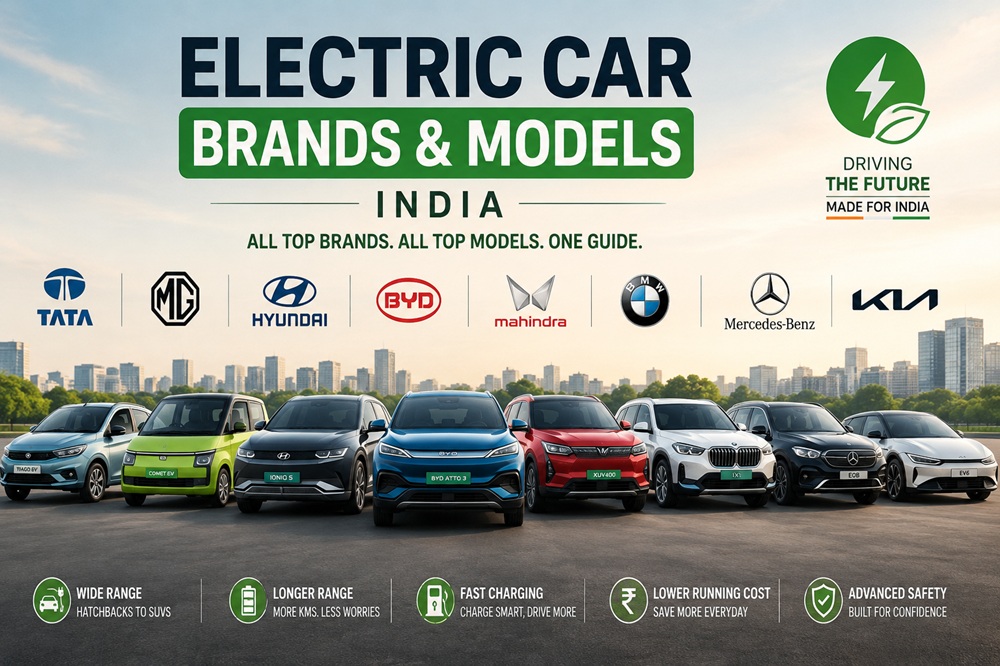
Electric cars are now a serious choice for Indian motorists. Buyers can choose from compact city cars, family hatchbacks, electric sedans, premium SUVs, performance models, and people movers from established and newer brands.
More choice also means a harder decision. The best EV for a short commute may not suit frequent highway travel. Before comparing brands, consider charging access, daily driving distance, passenger needs, service support, safety, and total ownership cost.
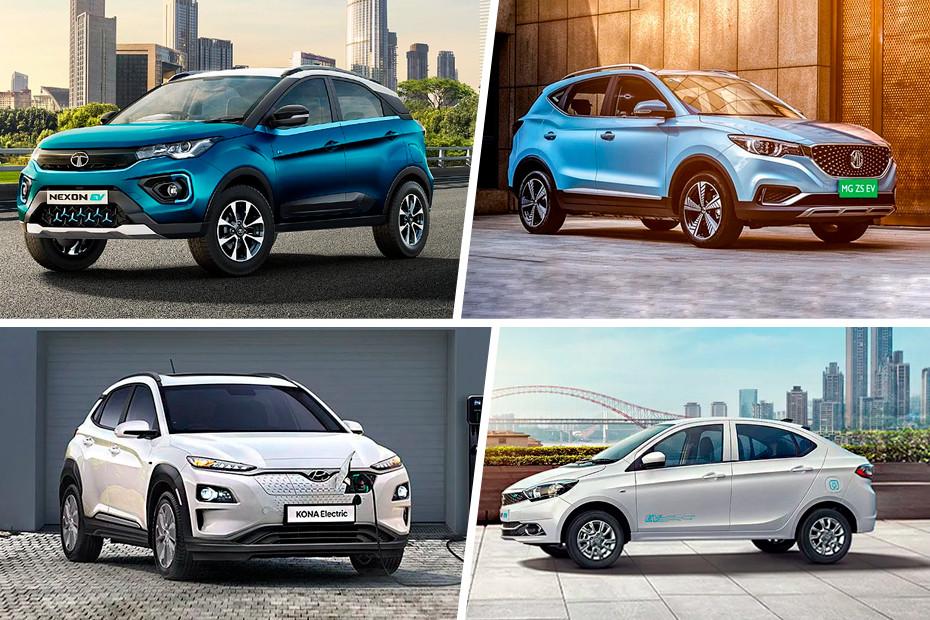
This guide explains the major electric car brands and models in India in 2026 and helps you understand which type of EV may suit your lifestyle.
Electric Car Brands and Models Available in India
The Indian EV market is changing quickly, so always confirm the latest prices, variants, specifications, and availability before purchasing. The table below highlights leading brands and representative models; it is not an exhaustive list.
| Brand | Representative Electric Models | Best Suited To |
|---|---|---|
| Tata.ev | Tiago.ev, Tigor.ev, Punch.ev, Nexon.ev, Curvv.ev, Harrier.ev, Sierra.ev | Mainstream buyers wanting choices across segments |
| MG Motor | Comet EV, Windsor EV, ZS EV, Hector Tomahawk EV | Connected-car buyers and urban families |
| Mahindra Electric | BE 6 SPORTEQ, XEV 9e, XEV 9S | Buyers seeking electric SUVs with strong performance |
| Hyundai | Creta Electric, IONIQ 5 | Buyers prioritising refinement and established support |
| Kia | Syros EV, Carens Clavis EV, EV6, EV9 | Family, premium, and long-distance use |
| BYD | Atto 3, Seal, Sealion 7, eMAX 7 | Premium EV and larger-vehicle buyers |
| Maruti Suzuki | e Vitara | Buyers looking for a mainstream electric SUV |
| Toyota | Urban Cruiser Ebella | Buyers considering a familiar SUV brand |
| Citroën | ë-C3 and related electric models | Comfort-focused urban driving |
| VinFast | VF6, VF7, and larger electric models | Buyers evaluating newer international EV brands |
Tata.ev: One of India’s Broadest Mainstream EV Portfolios
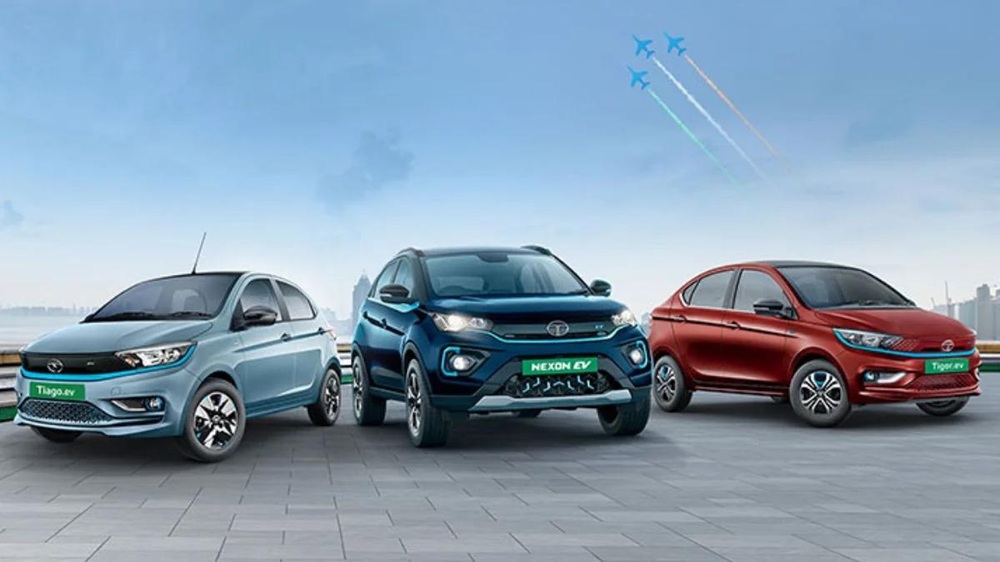
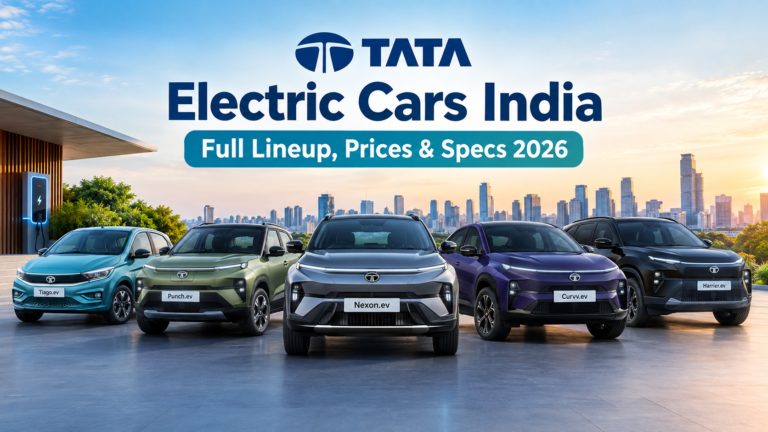
Tata has built one of India’s widest electric-car portfolios. Its range stretches from the compact Tiago.ev and Tigor.ev to the Punch.ev, Nexon.ev, Curvv.ev, Harrier.ev, and Sierra.ev.
The Tiago.ev and Punch.ev suit city buyers, while the Nexon.ev works as a practical family car. The Curvv.ev, Harrier.ev, and Sierra.ev target buyers who want more space, SUV styling, or a more premium driving experience.
Tata’s biggest advantage is choice, although battery size, claimed range, charging capability, features, and safety equipment can vary by variant.
Before purchasing, compare the exact variant rather than relying only on the model name.
MG Motor: Compact Mobility and Connected Features
MG’s electric line-up includes the Comet EV, Windsor EV, ZS EV, and Hector Tomahawk EV.
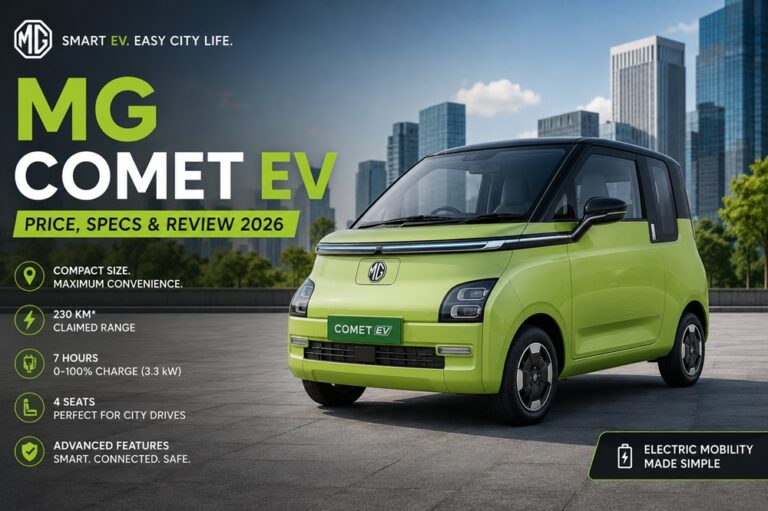
The MG Comet EV is particularly suited to urban environments because of its compact dimensions and easy manoeuvrability. However, it has two doors and four seats, which makes it more suitable for city commuting than as a conventional family car.
Read our MG Comet EV: Price, Specs & Review 2026 before deciding whether its compact format suits your needs
Higher variants also offer connected-car features.
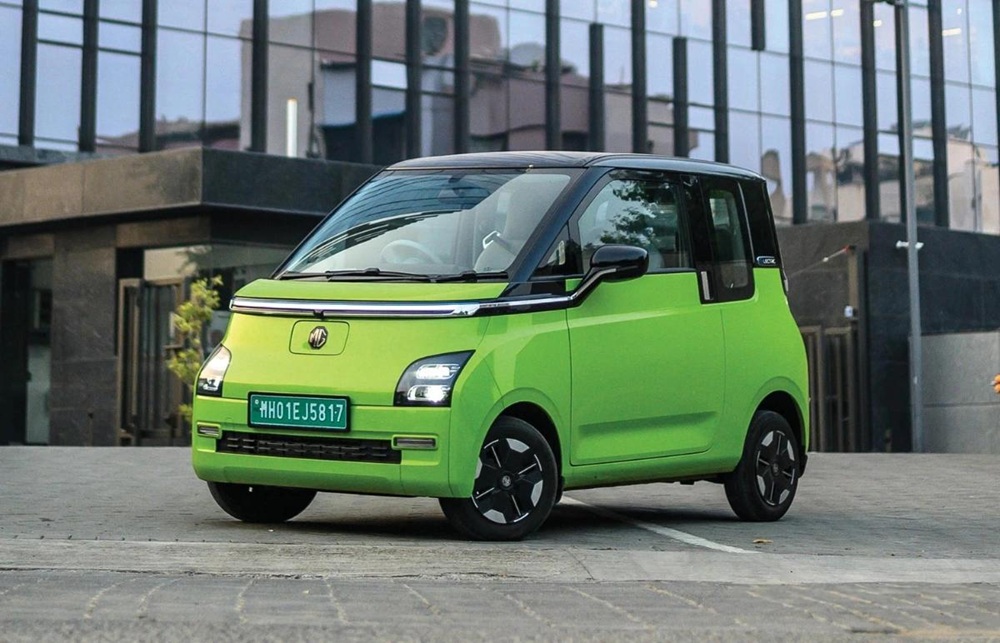
Read our MG Comet EV: Price, Specs & Review 2026 before deciding whether its compact format suits your needs.
Mahindra Electric: Technology-Focused Electric SUVs
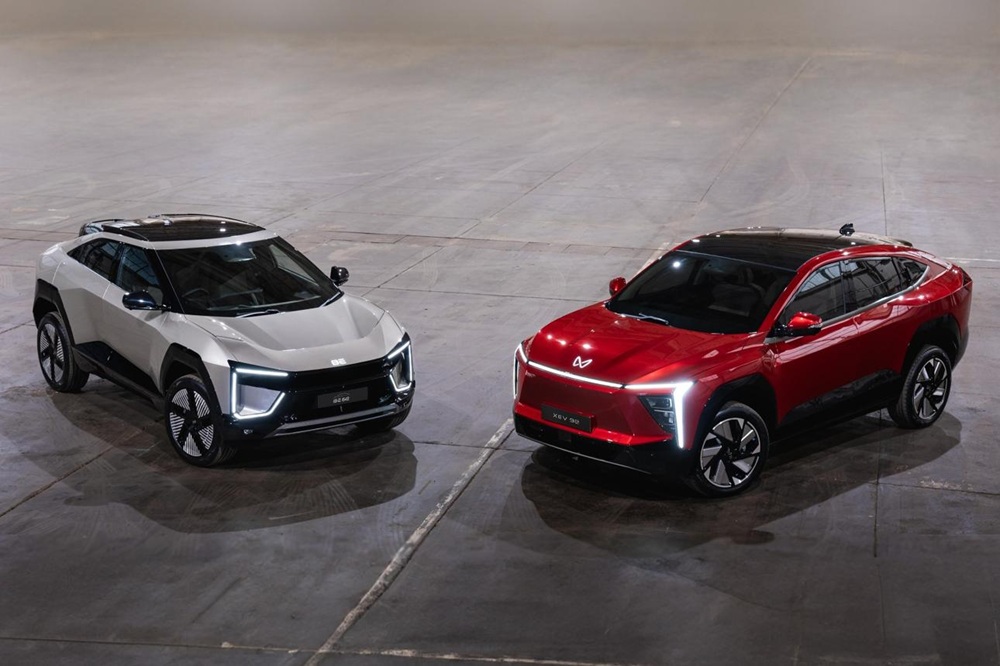
Mahindra’s Electric Origin range includes the BE 6 SPORTEQ, XEV 9e, and XEV 9S.
These models are aimed at buyers who want a combination of SUV practicality, modern styling, strong performance, larger cabins, and connected technology.
Mahindra’s electric SUVs may appeal particularly to buyers who want to switch from a petrol or diesel SUV without giving up the space and road presence associated with the segment.
Hyundai and Kia: Refined Mainstream and Premium Choices
Hyundai and Kia offer electric vehicles across mainstream and premium segments.
Hyundai
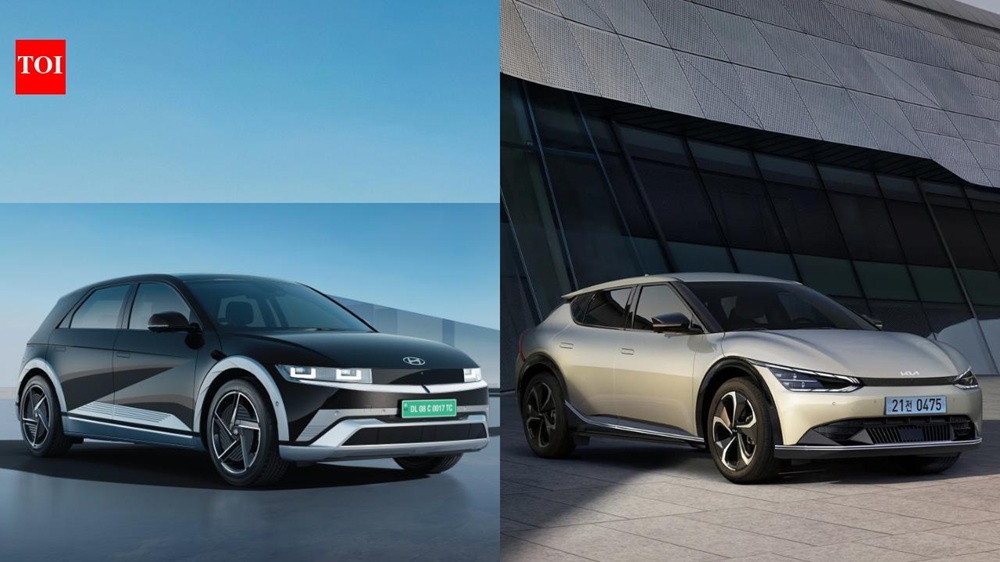
Hyundai’s electric range includes the Creta Electric and IONIQ 5.
The Creta Electric is aimed at family buyers looking for a practical electric SUV, while the IONIQ 5 sits higher in the market and focuses on premium design, technology, battery capacity, and fast charging.
Kia
Kia’s electric portfolio includes the Syros EV, Carens Clavis EV, EV6, and EV9.
The Kia EV6 is particularly relevant for buyers considering a premium electric vehicle for longer journeys. Its listed specifications include an 84 kWh battery, a certified-range claim exceeding 650 km under specified conditions, V2L capability, and ultra-fast charging under suitable conditions.
Certified range should not be treated as guaranteed real-world range. Driving speed, traffic, air-conditioning use, temperature, payload, terrain, tyre pressure, and other conditions can affect actual efficiency.
Before buying a premium EV, check charger compatibility, charging availability along your regular routes, and the final on-road price.
BYD, Maruti Suzuki, Toyota, Citroën and VinFast
BYD
BYD has established a premium EV presence in India with models such as the Atto 3, Seal, Sealion 7, and eMAX 7.
Its portfolio includes SUVs, a sedan, and a larger electric MPV, giving buyers several options across the premium EV market.
For current products, prices, and specifications, visit the official BYD India website.
Maruti Suzuki
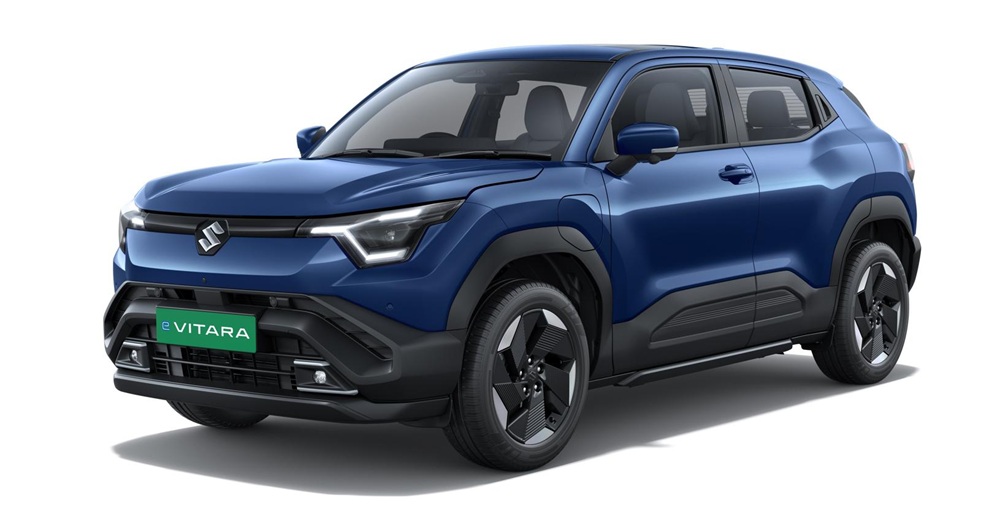
The e Vitara gives Maruti Suzuki a presence in India’s electric SUV market.
For buyers who are already familiar with Maruti Suzuki’s widespread sales and service network, the e Vitara may be worth comparing with competing electric SUVs.
Toyota
Toyota’s Urban Cruiser Ebella adds an electric SUV option for buyers who prefer a familiar automotive brand.
Citroën
Citroën’s electric offerings are aimed particularly at buyers interested in comfort-focused urban driving.
VinFast
VinFast brings another international EV brand into consideration with models such as the VF6 and VF7.
When considering a newer EV brand, buyers should pay particular attention to dealer reach, service coverage, parts availability, warranty terms, roadside assistance, and expected resale value.
How to Choose the Right Electric Car in India
Choosing an EV should start with how you actually use your car rather than simply looking for the highest claimed range.
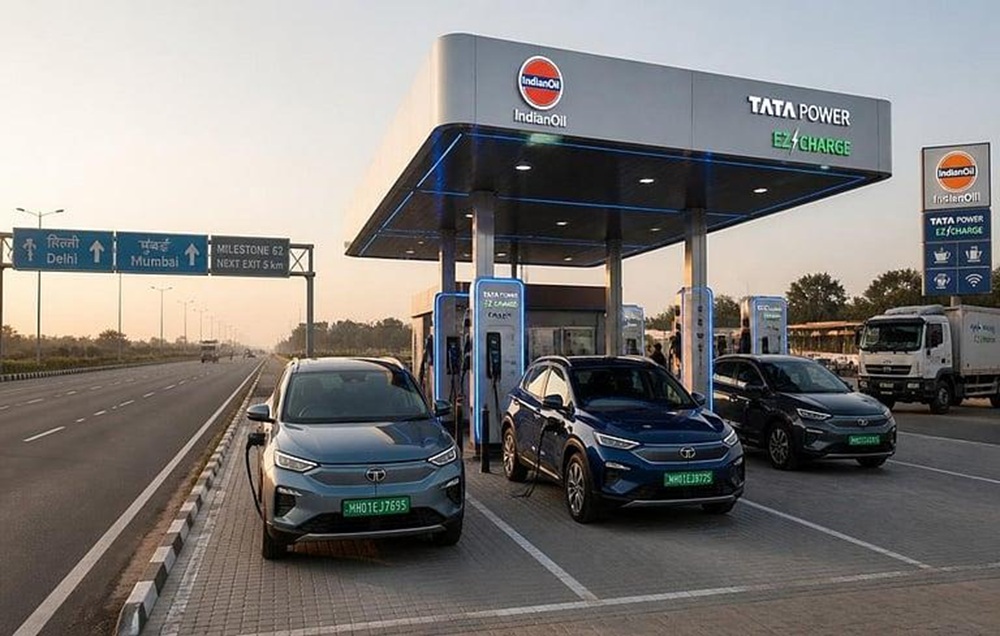
Check Your Charging Reality First
Home charging can be more important than maximum claimed range.
If you have a dedicated parking space and reliable access to electricity, home charging can make everyday EV ownership convenient. Public charging becomes more important for apartment residents, people without dedicated parking, and drivers who frequently travel between cities.
Before booking an EV, check:
- Whether your housing society permits EV charging
- Whether you have an assigned parking space
- Electricity connection requirements
- Home charger installation requirements
- Workplace charging availability
- Public chargers along your regular routes
- Charging costs and expected charging times
The Bureau of Energy Efficiency explains that EVs can be charged at home or through public charging infrastructure, while digital tools can help users locate charging stations and related information.
See our EV Charging Guide for India for more information.
Match the Car to Your Daily Driving Distance
Think about how you actually use your vehicle.
A small-battery EV can make sense for a predictable city commute. If you regularly travel between cities, battery capacity, DC fast-charging capability, highway comfort, and charging-network availability become more important.
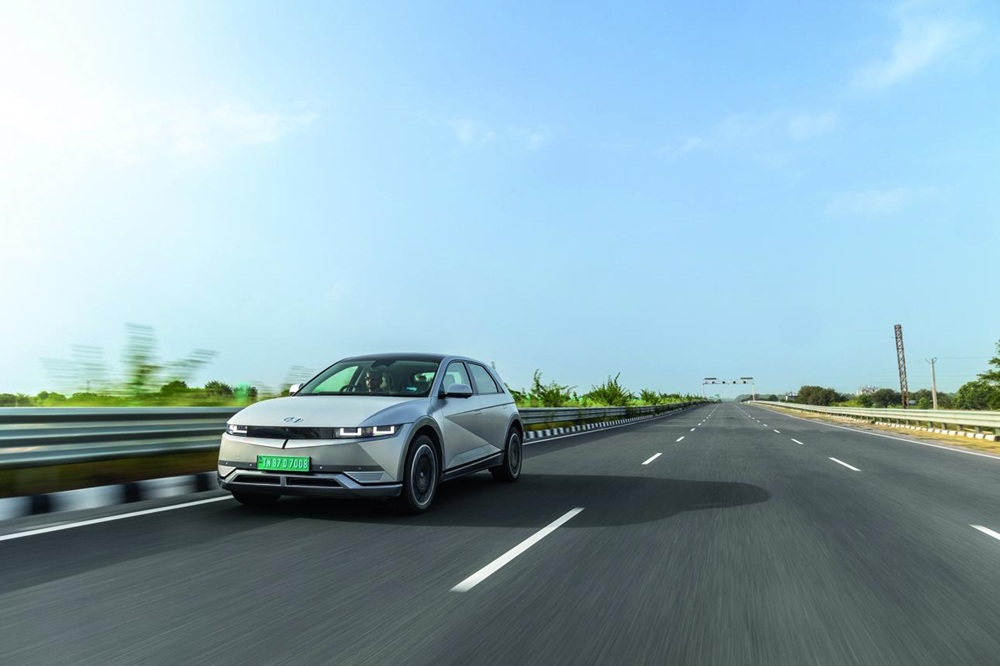
For a city commuter, look for:
- Compact dimensions
- Easy parking
- Convenient home charging
- Affordable purchase price
- Adequate everyday range
For a family car, prioritise:
- Cabin space
- Boot capacity
- Safety equipment
- Comfortable rear seats
- Practical driving range
For frequent highway travel, pay closer attention to:
- Real-world range
- DC fast-charging capability
- Charging-network coverage
- Highway stability
- Comfortable seating
- Battery thermal management
Do not pay a premium for range you will rarely use. At the same time, avoid choosing a compact city-focused EV if you regularly carry several passengers or travel long distances.
Compare the Full Ownership Cost
The ex-showroom price is only one part of an EV’s total ownership cost.
Your calculation should include:
Purchase price + registration + insurance + financing + charger installation + electricity + maintenance + tyres + accessories
For battery-as-a-service, or BaaS, models, also calculate the recurring battery fee over your expected ownership period.
Before purchasing, ask the dealer about:
- Battery warranty
- Vehicle warranty
- Roadside assistance
- Service intervals
- Software updates
- Replacement-part costs
- Charger warranty
- Battery replacement policies
- BaaS fees, if applicable
You can also read our Electric Car Maintenance Cost Guide.
Check Safety and After-Sales Support
A large touchscreen or long list of features should not be the deciding factor when buying an EV.
Compare the exact variant you intend to purchase for:
- Airbags
- Electronic stability control
- ABS and braking equipment
- Driver-assistance features
- Parking sensors and cameras
- Structural safety
- Crash-test information where available
After-sales support is equally important.
A technically impressive EV becomes less attractive if authorised service centres, replacement parts, or trained technicians are difficult to access in your area.
Which Type of Electric Car Is Right for You?
| Your Driving Need | What to Prioritise |
|---|---|
| Short daily commute | Compact size, affordable price, convenient charging |
| Family city driving | Cabin space, safety, practical range |
| Frequent highway trips | Real-world range, DC fast charging, route coverage |
| Premium ownership | Performance, technology, refinement, charging speed |
| Apartment living | Public charging access and charging compatibility |
| First-time EV ownership | Simple charging setup, strong service support, practical range |
FAQ: Electric Car Brands and Models in India
Q1: Which is the best electric car brand in India?
ANS: There is no single best EV brand; Tata, MG, Mahindra, Hyundai, Kia, and BYD offer different options based on budget, driving needs, charging access, features, and service support.
Q2: Which is the most affordable electric car in India?
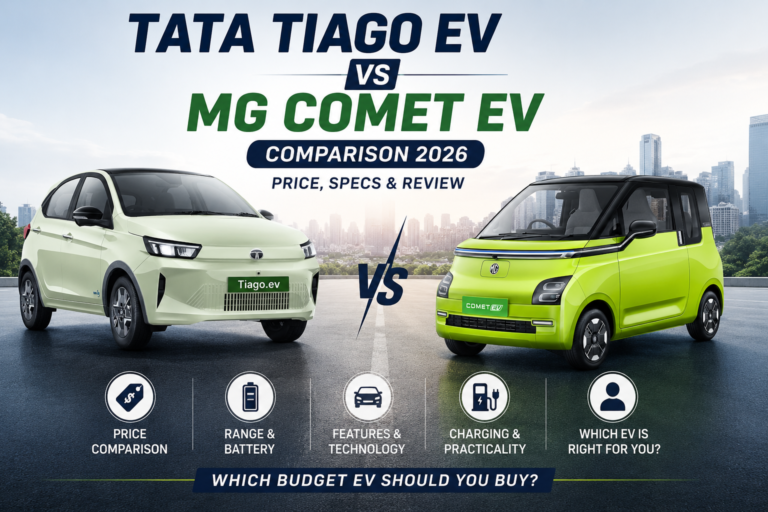
ANS: The MG Comet EV and Tata Tiago.ev are among the compact affordable EV options, but buyers should compare the complete on-road cost, charger expenses, insurance, and battery programme.
Buyers looking for affordable options can also explore electric cars under ₹10 lakh in India
Q3: Which electric car is best for highway travel?
ANS: EVs such as the Kia EV6, Hyundai IONIQ 5, and larger Tata and Mahindra electric SUVs can suit highway travel when they offer practical range, fast charging, comfort, and reliable charging-network access.
Q4: Are electric cars cheaper to maintain than petrol cars?
ANS: EVs generally require less routine powertrain maintenance than petrol cars, but owners still need to budget for tyres, brakes, suspension, insurance, software, and battery-related servicing.
Final Verdict
India’s 2026 electric-car market offers more choice than ever across compact commuting, family use, premium travel, and electric SUVs.
Tata.ev and MG provide strong mainstream options, Mahindra has a strong electric-SUV focus, Hyundai and Kia span mainstream and premium categories, and BYD provides premium alternatives.
The best EV is not necessarily the one with the biggest battery, highest range claim, or longest equipment list.
Start with four questions:
- How far do I drive every day?
- Where will I charge the car?
- How many people and how much luggage do I normally carry?
- What is my total ownership budget?
Once you answer these questions, compare the models that actually fit your needs.
Take a test drive, verify the exact variant’s specifications, check local service support, calculate the complete ownership cost, and confirm the latest price before booking.
Prices, model availability, equipment, range claims, government policies, charging infrastructure, and dealer offers can change. Always confirm the latest information with the manufacturer or an authorised retailer before purchasing.
References
- Tata Motors India — Official Tata Cars Website
- Tata.ev — Official Product and Press Information
- JSW MG Motor India — Official Comet EV Product Information
- Mahindra — Official Electric Origin SUV Website
- Hyundai India — Official Electric Cars Information
- Kia India — Official EV6 and Electric Vehicle Information
- Bureau of Energy Efficiency — Government of India, Electric Mobility Information
- BYD India — Official Website
2 Comments