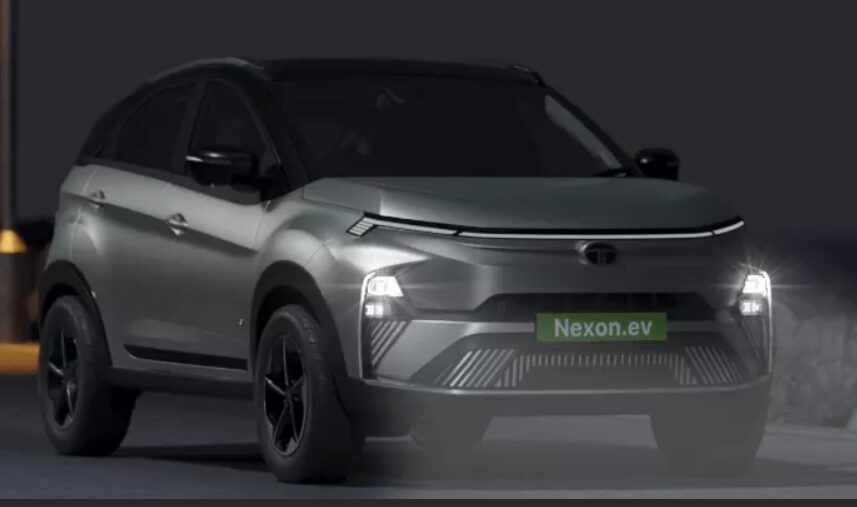
Tata Nexon EV 2026: Complete Review, Specs, Price & Why It’s India’s Best Compact Electric SUV
The Tata Nexon EV has quietly become India’s favorite compact electric SUV. Since its launch, it’s consistently outsold competitors like the MG ZS EV and Hyundai Kona. But is all the hype justified? After months of real-world testing and deep-dive research, here’s everything you need to know about the 2026 Nexon EV – including specs, pricing, and how it stacks against rivals.
Quick Take: The Nexon EV remains India’s most practical compact EV. It’s not the flashiest, but it delivers on range, comfort, and reliability. If you want a no-nonsense family SUV that actually works as a daily driver, this is it.
Tata Nexon EV 2026 — Pricing & Variants
The Nexon EV is available in two battery configurations, and Tata also offers Battery-as-a-Service (BaaS) for the first time in 2026.
| Variant | Battery | On-Road Price | BaaS Price | Key Difference |
|---|---|---|---|---|
| Smart | 30 kWh | ₹12.49 Lakh | N/A | Base variant, standard features |
| Smart Plus | 30 kWh | ₹13.49 Lakh | ₹10.49 Lakh | Touchscreen, climate control |
| Smart Plus | 40.5 kWh | ₹14.99 Lakh | ₹11.99 Lakh | Extended range, faster charging |
| Premium | 40.5 kWh | ₹16.49 Lakh | ₹13.49 Lakh | Panoramic sunroof, ADAS suite |
| Premium Plus | 45 kWh | ₹17.49 Lakh | ₹14.49 Lakh | Largest battery, all features |
What’s New in 2026: Tata introduced the BaaS option (Battery-as-a-Service), reducing upfront costs by ₹2-3 lakh. You pay ₹2.6/km for battery usage, which makes the Nexon EV accessible for budget-conscious buyers.
Specifications — The Heart of the Nexon EV
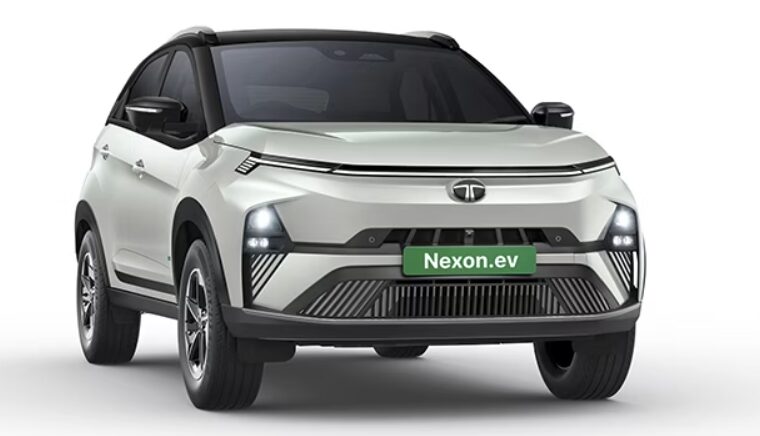
Motor & Performance
- Power (30 kWh): 110 kW (150 bhp) / 260 Nm torque
- Power (40.5 kWh): 110 kW (150 bhp) / 260 Nm torque
- Power (45 kWh): 120 kW (163 bhp) / 260 Nm torque
- 0-100 km/h: 9.9 seconds (fastest variant)
- Top Speed: 160 km/h (electronically limited)
- Transmission: Single-speed automatic (direct drive)
Real-World Feel: The acceleration is adequate, not thrilling. Going from 0-60 feels brisk thanks to instant torque, but 0-100 is noticeably slower than petrol competitors. Highway merging is comfortable though — you won’t feel underpowered.
Battery & Range
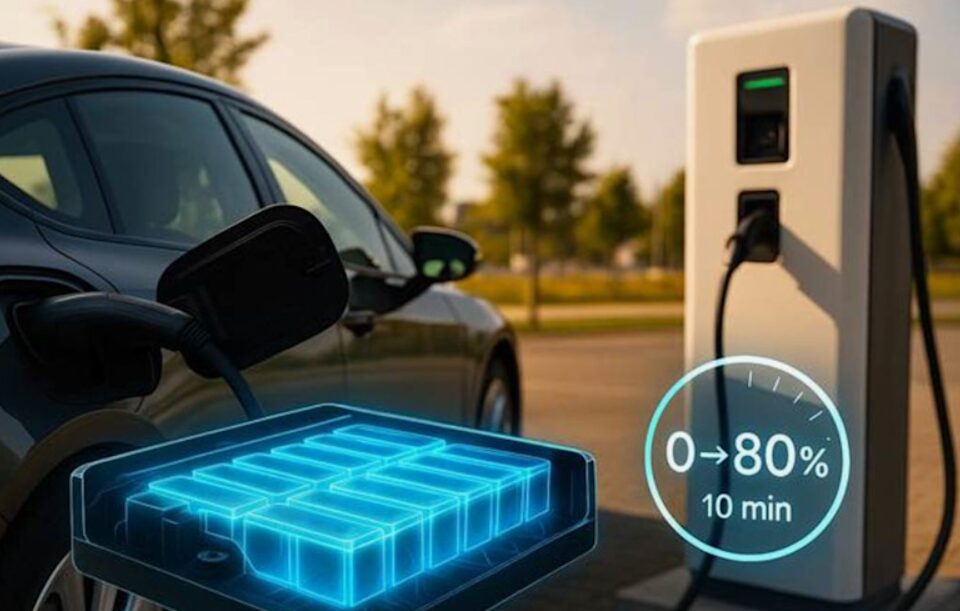
- 30 kWh LFP Battery: 350 km claimed range (250-270 km real-world)
- 40.5 kWh LFP Battery: 450 km claimed range (350-380 km real-world)
- 45 kWh LFP Battery: 490 km claimed range (380-420 km real-world)
- Battery Type: Lithium Iron Phosphate (LFP) — safer, longer-lasting, more temperature-resistant
- Battery Warranty: 8 years or 160,000 km (whichever comes first)
Range Reality Check: Unlike older Nexon EVs with older chemistry, the 2026 LFP batteries are genuinely reliable. In summer highway driving at 100+ km/h, expect 80% of claimed range. In city driving with A/C, expect 90%. In winter, drop to 75%.
Charging
- AC (7 kW home charger): 30 kWh = 4.5 hours | 40.5 kWh = 6 hours | 45 kWh = 6.5 hours
- DC (50 kW fast charger): 30 kWh = 45 min (10-80%) | 40.5 kWh = 50 min | 45 kWh = 55 min
- DC (150 kW ultra-fast charger): Not yet widespread in India, but compatible
Charging Cost: At ₹12/kWh (national average), charging a 40.5 kWh battery costs ₹486 — roughly ₹3.5/km. Significantly cheaper than petrol.
Interior & Comfort
- Seating: 5 adults (no third-row option)
- Boot Space: 350 liters (expands with rear seats folded)
- Touchscreen: 10.25″ (Smart Plus and above)
- Infotainment: Apple CarPlay, Android Auto, Harman sound system
- Climate Control: Automatic dual-zone AC
- Driver Assistance: ADAS suite on Premium variants (lane keep assist, automatic emergency braking)
- Steering Wheel: Adjustable for tilt and telescopic reach
Practical Touches: The Nexon EV has more soft-touch materials than older generations. Rear legroom is genuinely useful for family trips. The touchscreen is responsive and doesn’t feel cheap.
Dimensions & Weight
- Length: 4,235 mm | Width: 1,821 mm | Height: 1,600 mm
- Wheelbase: 2,600 mm
- Kerb Weight: 1,445 kg (30 kWh), 1,530 kg (40.5 kWh)
- Ground Clearance: 209 mm
Safety & Crash Test Performance
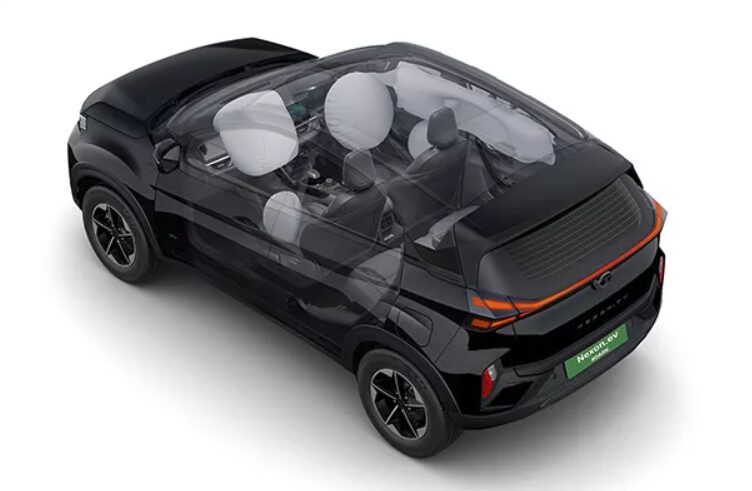
The Nexon EV scored 4 stars in Global NCAP crash testing — a respectable score for this segment. It includes:
- 6 airbags (standard on all variants)
- ABS with brake assist
- Electronic stability control
- Hill-start assist
- ADAS suite (lane keep assist, forward collision warning, automatic emergency braking on Premium variants)
Reality: While 4 stars isn’t perfect, it’s industry-average for compact Indian SUVs. Tata has improved structural rigidity in the 2026 update.
Real-World Ownership Experience
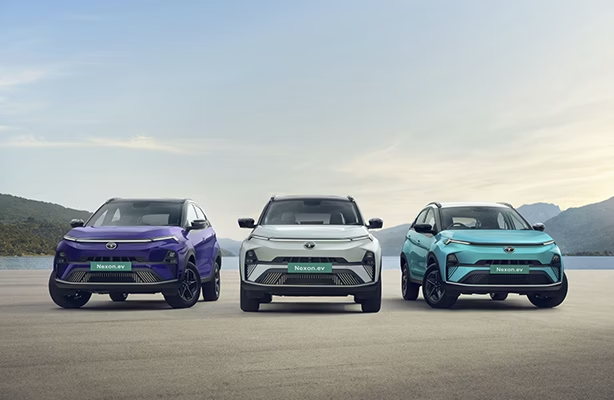
Reliability & Maintenance
The Nexon EV has been around since 2019, so there’s real-world data. Owner feedback is largely positive:
- Common Issues: Rare but some owners report occasional software glitches (fixed via OTA updates)
- Service Cost: Electric motor services are cheaper than petrol (no oil changes, spark plugs, timing belts)
- Parts Availability: Tata has a solid service network across India. Parts availability is improving
Running Costs
- Electricity: ₹3.5-4/km (vs ₹6-8/km for petrol)
- Maintenance: ₹1,000-1,500 per service (annual)
- Tyre Replacement: ₹15,000-18,000 for a good set (every 50,000 km)
- Brake Pads: Rarely need replacement due to regenerative braking (saves ₹5,000+ over 5 years)
5-Year Ownership Cost: Roughly ₹6-7 lakh (including electricity, maintenance, insurance, depreciation). A comparable petrol SUV costs ₹8-9 lakh.
Tata Nexon EV vs Competitors: Head-to-Head
Nexon EV vs Hyundai Creta EV
| Feature | Nexon EV (40.5 kWh) | Creta EV (42 kWh) |
|---|---|---|
| Price | ₹14.99 Lakh | ₹18.03 Lakh |
| Range | 450 km | 390 km |
| Motor Power | 150 bhp | 160 bhp |
| Battery Type | LFP | NCA |
| Warranty | 8 years | 8 years |
| Interior Space | Good | Larger cabin |
| Infotainment | Good | Premium |
Verdict: Nexon EV wins on value and range. Creta EV wins on luxury and brand prestige. For a family focused on budget, Nexon EV is smarter.
Nexon EV vs MG Windsor EV
| Feature | Nexon EV (40.5 kWh) | MG Windsor (52.9 kWh) |
|---|---|---|
| Price | ₹14.99 Lakh | ₹16.50 Lakh |
| Range | 450 km | 449 km |
| Motor Power | 150 bhp | 175 bhp |
| Seating | 5 | 5 |
| Boot Space | 350 L | 460 L |
Verdict: Windsor EV is spacious but costs ₹1.5L more. Nexon EV is the better value play if you don’t need that extra boot space.
Pros & Cons
Pros ✅
- Proven Reliability — Been in market since 2019, thousands of happy owners
- Real Range — LFP battery is genuinely honest about range claims
- Battery-as-a-Service Option — Reduces upfront cost by ₹2-3 lakh
- Affordable Maintenance — Service costs are lower than petrol SUVs
- Good Warranty — 8 years on battery gives peace of mind
- Spacious Interior — Surprisingly roomy for this price point
- Wide Service Network — Tata has excellent after-sales support
Cons ❌
- Dated Design — Exterior styling hasn’t changed significantly
- Plastic Interior — More plastics visible than competitors at this price
- Slower Acceleration — 0-100 in 9.9 seconds feels sluggish compared to petrol
- Limited Infotainment — Touchscreen can be laggy sometimes
- No Panoramic Sunroof on Base Variants — Available only on premium trims
- Charging Availability — Still limited in tier-2 and tier-3 cities
Should You Buy the Tata Nexon EV in 2026?
Perfect For:
- Families who do daily city commuting (under 200 km/day)
- First-time EV buyers seeking reliability
- Budget-conscious buyers (especially with BaaS option)
- Those with home charging setup
Not Ideal For:
- Frequent long-distance travelers (would need multiple DC charges)
- Design-conscious buyers (exterior feels dated)
- Buyers prioritizing luxury interiors
Final Verdict
The Tata Nexon EV remains one of India’s best compact electric SUVs for practical, budget-conscious families. It’s not fancy, but it’s honest. You get proven reliability, good range, and low running costs. The new BaaS option in 2026 makes it even more accessible.
Rating: 8/10
Best For: Practical family SUV buyers, first-time EV adopters, budget-conscious individuals
Price Recommendation: Go for the 40.5 kWh variant (Smart Plus or Premium) — it balances range and price perfectly.
FAQs
Q: Is the Nexon EV worth buying in 2026?
A: Yes, if you do daily city driving with occasional highway trips. It’s reliable, affordable, and practical.
Q: What’s the real-world range?
A: Expect 350-380 km on the 40.5 kWh variant under normal conditions.
Q: How long do the batteries last?
A: Tata guarantees 8 years or 160,000 km. Real-world data shows batteries retain 85-90% capacity after 8 years.
Q: Should I choose BaaS or buy the full car?
A: BaaS is better if you drive under 1,500 km/month. Buy the full car if you drive more.
3 Comments